Dubrovnik › How many days
How long does the Dubrovnik walls walk take?
Most people take one and a half to two hours. The full circuit is roughly two kilometres, but there are many steps, towers to climb and views that make you stop.
When that changes: In heat, with small children or with a slow photographer's pace it can take three hours; a fit walker hurrying round in cool weather may finish in about an hour.
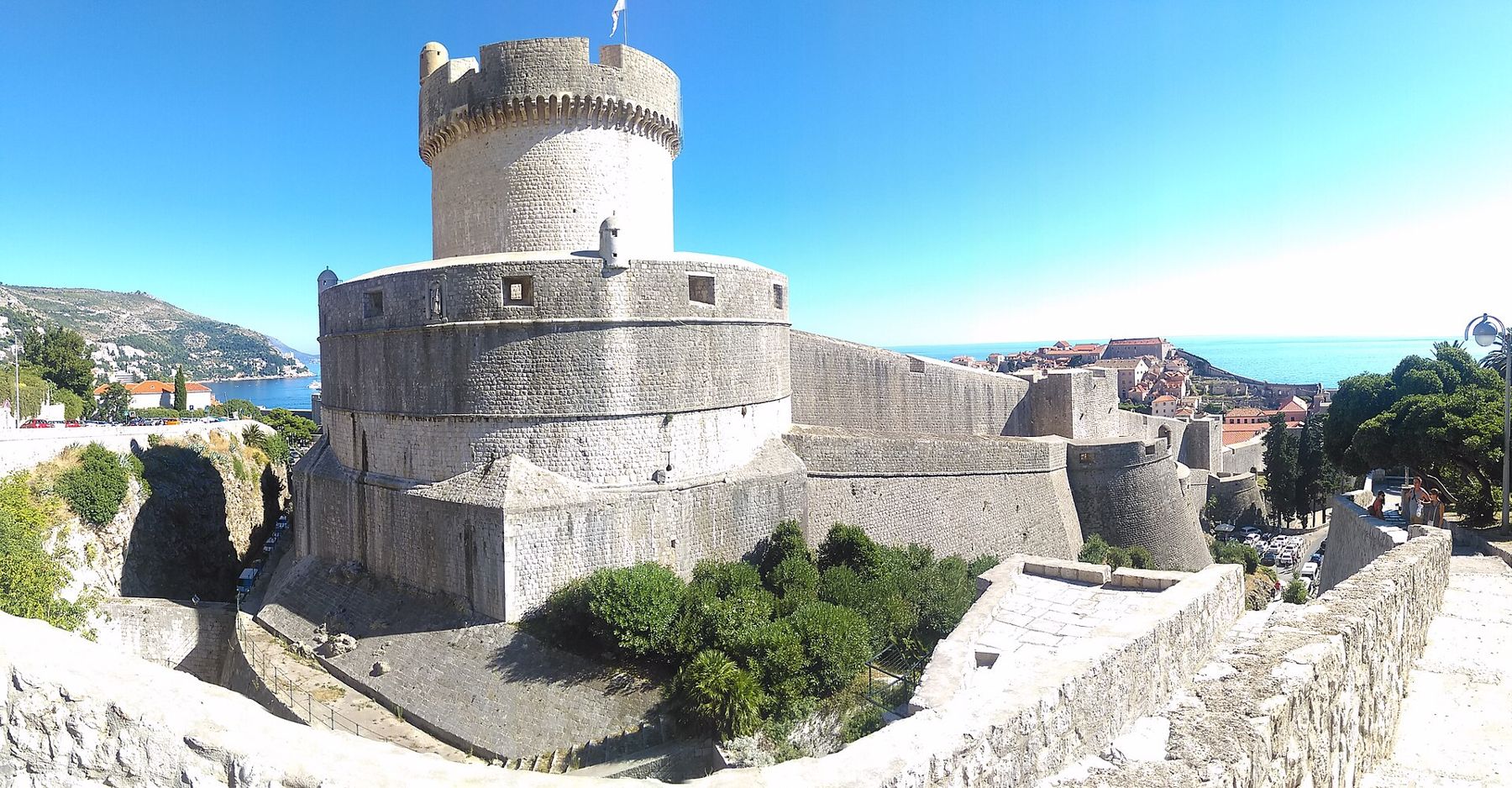
About one and a half to two hours for most people. The walls of Dubrovnik run in a continuous circuit of nearly two kilometres around the old town, and you walk along the top of them. Distance is not the issue. The walk has a lot of steps, several towers and bastions to climb, narrow sections where you wait for others, and views at every turn that make you stop. Fast walkers in cool weather finish in about an hour; slow walkers in heat, or anyone who stops for every view, take longer.
What the circuit is like
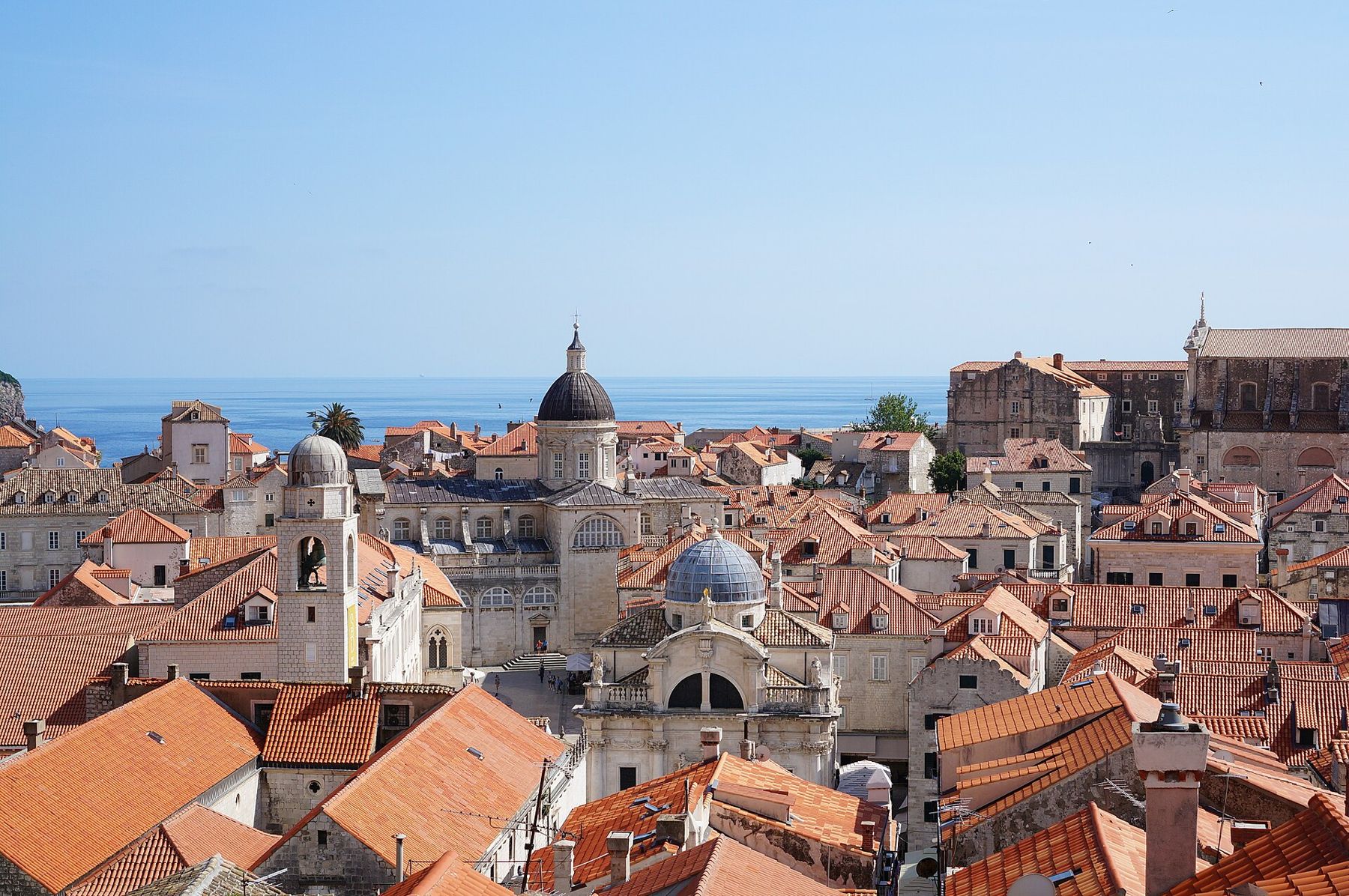
The walls were built and strengthened over centuries, mostly between the thirteenth and seventeenth centuries, to protect the wealthy city-republic of Ragusa. They are among the best-preserved medieval fortifications in Europe, and the walkway along the top lets you see the whole town from above: the terracotta roofs, the domes and bell towers, the narrow streets and the harbour.
The walkway rises and falls with the walls. On the landward side, the walls climb high above the town to the round Minčeta Tower, the highest point of the circuit. On the sea side, they run along cliffs above the water. There are steps up and down throughout, some steep, with railings in places.
The one-way rule
The walk follows a one-way direction, which is usually signposted, so you will not meet people coming the other way. That makes narrow sections easier but means you cannot simply turn back. If you need to leave early, the exits at the entrances are the way out. Plan to complete the loop, or know where the exits are.
The towers and the best views
- Minčeta Tower: the highest point, with a view over the whole old town and the sea. The climb inside the tower is steep.
- The sea walls: cliffs and blue water below, and views to Fort Lovrijenac on its rock outside Pile Gate.
- Above the old port: fishing boats, the breakwater and the island of Lokrum offshore.
- Above Pile Gate: the length of the Stradun, the main street, stretched out below.
Heat, water and rest
There is very little shade on the walls. In summer, the stone heats up and reflects the sun, and the walk can be exhausting in the middle of the day. Bring water, wear a hat and sunscreen, and take breaks. A few small stops along the way sell drinks at times, but do not rely on them.
In spring and autumn the walk is much more comfortable. In winter it can be windy and wet, and the walls may close earlier or for bad weather.
Who should allow extra time
Families with small children, people who find steps hard and keen photographers should plan on two and a half hours or more. The walls are not suitable for wheelchairs or pushchairs because of the steps. If mobility is limited, consider walking only a section, or enjoy views of the walls from the cable car up Mount Srđ or from Fort Lovrijenac instead.
Adding Fort Lovrijenac
Fort Lovrijenac stands on a high rock just west of the old town, outside the walls, and has long been part of the city's defences. The walls ticket has included it in recent years; check what your ticket covers. The climb up the steps to the fort takes about ten to fifteen minutes from Pile Gate, and the view back toward the walls is one of the best in Dubrovnik. Add about forty-five minutes to an hour to include it.
A sense of the history
The walls are more than a viewing platform. For centuries they protected a small republic that survived by diplomacy and trade between larger powers. Their towers were strengthened when cannons changed warfare, and the thickest walls face inland, where the main threat lay. In the early 1990s, during the war that followed the break-up of Yugoslavia, the old town was shelled, and the repaired roofs you see from the walls are part of that story. The old town is a UNESCO World Heritage Site.
Small information panels along the route explain some of the features. Taking a few minutes to read them turns the walk into a lesson in how a medieval city defended itself.
Breaking the walk
You do not have to walk the circuit in one go without pause. Many people stop for a drink, sit in the shade of a tower, or linger at a viewpoint. Build in time for that, and you will enjoy the walk more. Toilets are limited; use the facilities before you start.
Shoes and what to carry
Wear comfortable shoes with good grip; the stone steps are worn smooth by centuries of feet and can be slippery, especially after rain. Carry as little as possible, since the walkway is narrow and large bags get in the way. A small bottle of water, sun protection and a camera or phone are enough. If you are visiting in cooler months, bring a light windproof layer for the exposed seaward stretch.
Shaping the day
Start early, both for cooler air and smaller crowds: see when the walls are least crowded. Afterwards, go down into the Stradun and the side streets, which look entirely different once you have seen them from above. For a visit outside the busy season, read whether Dubrovnik is worth it in winter.
Next question: Is Dubrovnik worth visiting in winter?