Dubrovnik › Weather answers
Is Dubrovnik worth visiting in winter?
Yes, if you want the old town without the crowds. Winters are mild and wetter, some seasonal places close and boats run less, but the walls, streets and views are yours.
When that changes: If you want swimming, island-hopping by boat or a lively beach scene, winter is the wrong season; storms or the bura wind can also stop the cable car and ferries.
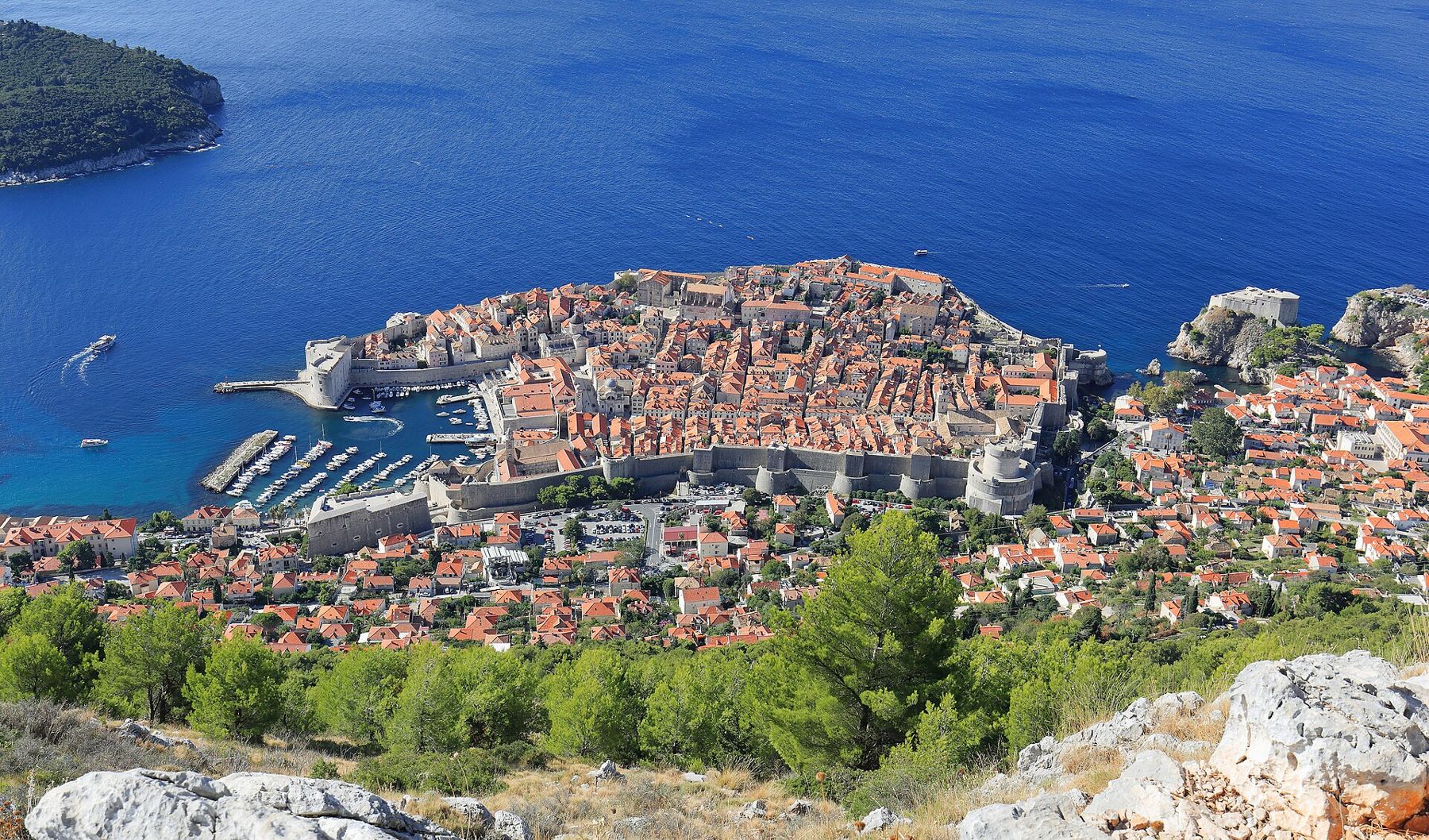
Yes, if what you want is the old town itself. In winter, Dubrovnik is mild, quiet and noticeably wetter than in summer. The cruise crowds are gone, the polished streets are calm, and you can walk the city walls with only a handful of others. The trade-offs are rain, sometimes strong wind, shorter opening hours and some seasonal businesses closed. For walking, history and views, winter is a fine time to go. For swimming and island-hopping, it is not.
The weather
Winter on the southern Dalmatian coast is mild by northern European standards. Daytime temperatures are often in the low to mid teens Celsius, around 12 to 14 °C (54 to 57 °F), with cooler nights. It rarely snows in the city. Rain is more frequent than in summer, often arriving in heavy bursts.
Two winds shape the season. The bura, a cold, dry, gusty wind from the northeast, brings clear skies and sharp cold; strong bura days can be bitter on the walls and may stop the cable car. The jugo, a warm, humid wind from the southeast, brings cloud, rain and rough seas. Either can affect boats.
What stays open, what closes
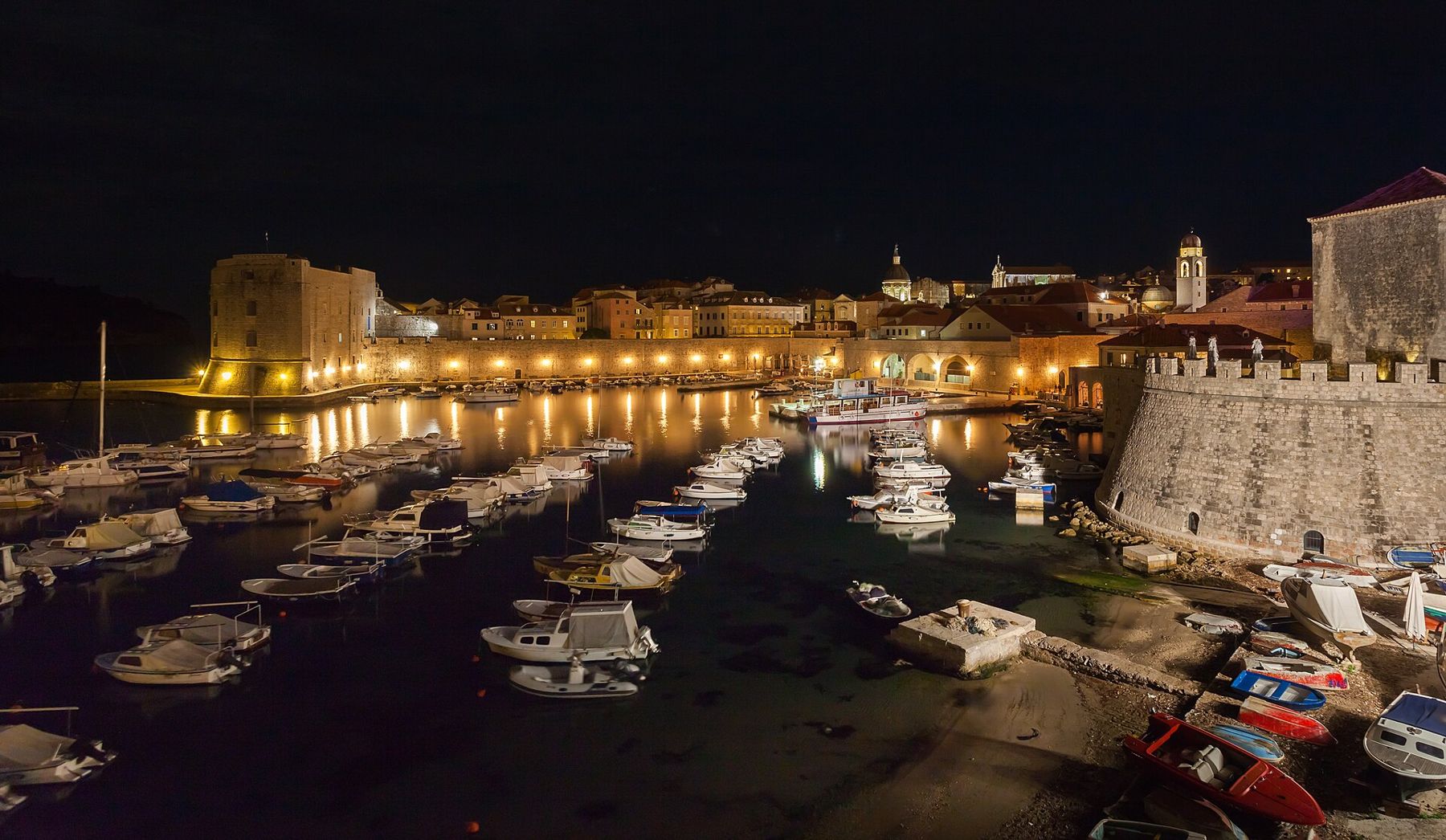
The old town is a living place, and much of it stays open all year. The city walls remain open in winter with shorter hours, and may close in very bad weather. Major churches, monasteries and museums keep running, sometimes with reduced hours. The cable car up Mount Srđ runs when weather and season allow.
Many businesses that depend on summer visitors close for part of the winter, especially from January to March. Ferries and boat trips run less often; trips to the island of Lokrum, for instance, are seasonal and may not run in winter at all. Check timetables before you plan around a boat.
The Feast of St Blaise
The highlight of Dubrovnik's winter is the Feast of St Blaise, Sveti Vlaho, on 3 February. St Blaise is the city's patron saint, and his feast has been celebrated for over a thousand years. Processions carry relics through the old town, people from surrounding villages come in traditional dress with banners, and the Stradun fills with music and ceremony. It is one of the most authentic events in the city's year, and the celebrations begin in the days before.
December in the old town
In the weeks before Christmas, the old town is decorated with lights, and seasonal events, markets and concerts take place in the streets and squares. New Year's Eve brings concerts and fireworks. This is the liveliest part of the winter, and the old town looks especially lovely under its lights.
The walls without the crowds
Winter is the best time of year to walk the city walls in peace. The walk takes about two hours, and in winter you may have whole stretches to yourself. Choose a dry day, and go around midday when it is warmest. Strong wind makes the exposed sections uncomfortable, so watch the forecast.
Read how long the walls walk takes for the route, and when the walls are least crowded for summer contrast.
Beyond the walls in winter
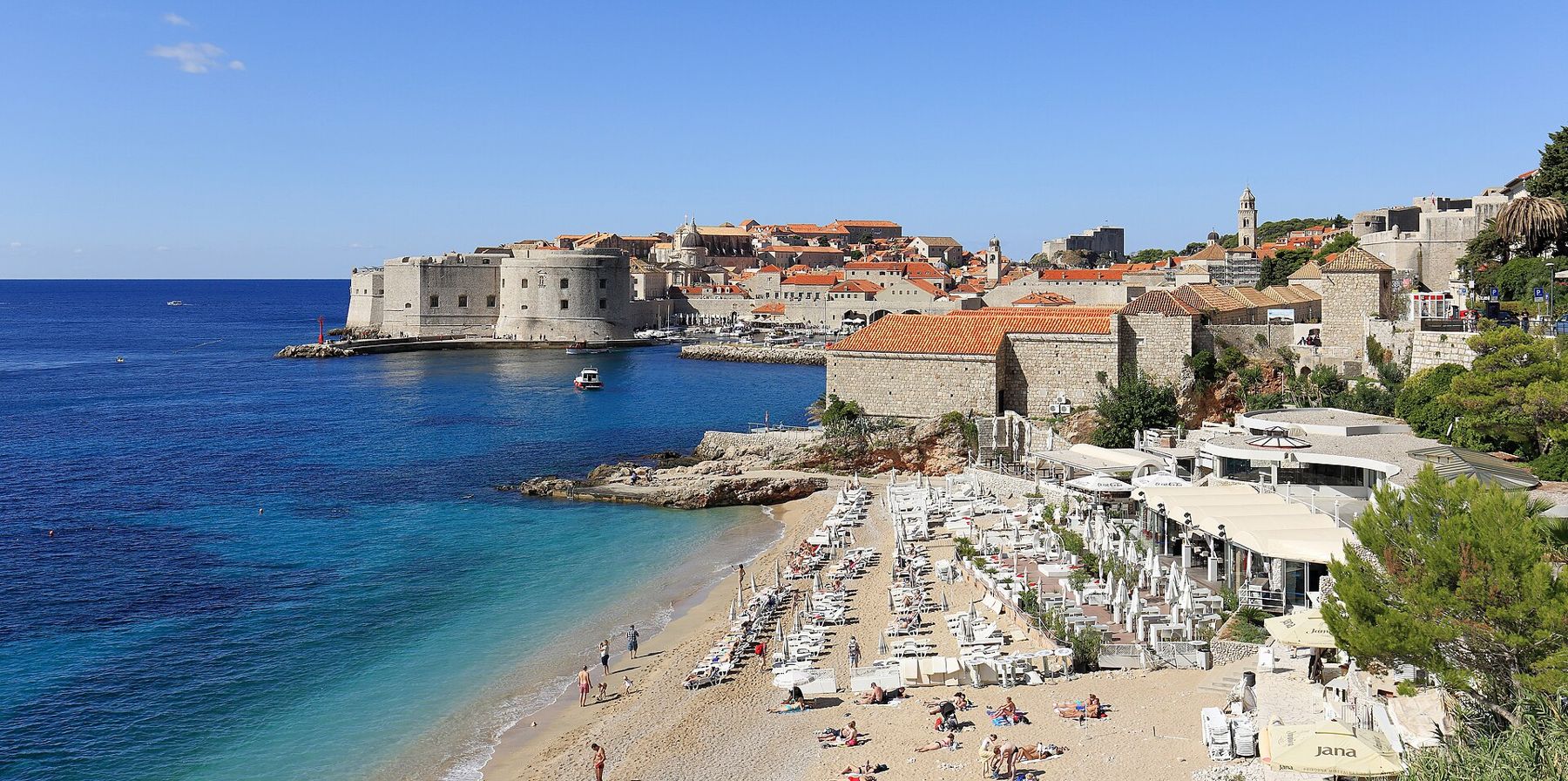
Winter is also a good time to explore the old town's museums and churches at leisure. The Rector's Palace, once the seat of the republic's government, has a fine courtyard and rooms that tell the story of the city's institutions. The Franciscan monastery near Pile Gate has a peaceful cloister and one of Europe's oldest working pharmacies. The Dominican monastery, at the other end of town, has its own cloister and art collection. In summer these are busy; in winter you may have them almost to yourself.
Outside the walls, the coastal paths and neighbourhoods are pleasant on a dry day. The view from Mount Srđ, if the cable car is running or you are fit enough to walk up the zigzag path, is spectacular in clear winter air, especially on a bura day when visibility is sharp.
Prices and crowds
The quiet season usually brings lower prices for accommodation and fewer queues everywhere. Some visitors find the city a little too quiet in January and February, when many shutters are down; others love exactly that. Late November and March are a good compromise, with mild weather and more places open.
Day trips in the quiet season
The coast around Dubrovnik is also quieter in winter. The small town of Cavtat to the south and the Pelješac peninsula to the north are reachable by road, and the old salt-making town of Ston, with its own long defensive walls, makes a good half-day trip. Check bus timetables, which are reduced in winter, or hire a car. Boat trips to the Elaphiti islands are much more limited than in summer.
Wherever you go, keep an eye on the forecast. A bright, calm winter day on this coast can be glorious, and is worth building a trip around when it comes.
The small print
- Bring a waterproof jacket and shoes with grip: the polished limestone of the Stradun is slippery when wet.
- Expect shorter days; plan outdoor sights for the middle of the day.
- Check what is open before visiting islands or day-trip destinations.
- Flights and buses are less frequent than in summer; check schedules.
Winter cities with a rain question of their own include Lisbon in the rain.
Next question: Is May too hot for Seville?