Dubrovnik › What time to go
When are Dubrovnik's city walls least crowded?
Right at opening, or in the last hour or two before closing. The walls are busiest from mid-morning to mid-afternoon, especially on days when several cruise ships are in port.
When that changes: In winter the walls are quiet all day but close earlier; on summer days with several cruise ships in port, even the late afternoon can be busy.
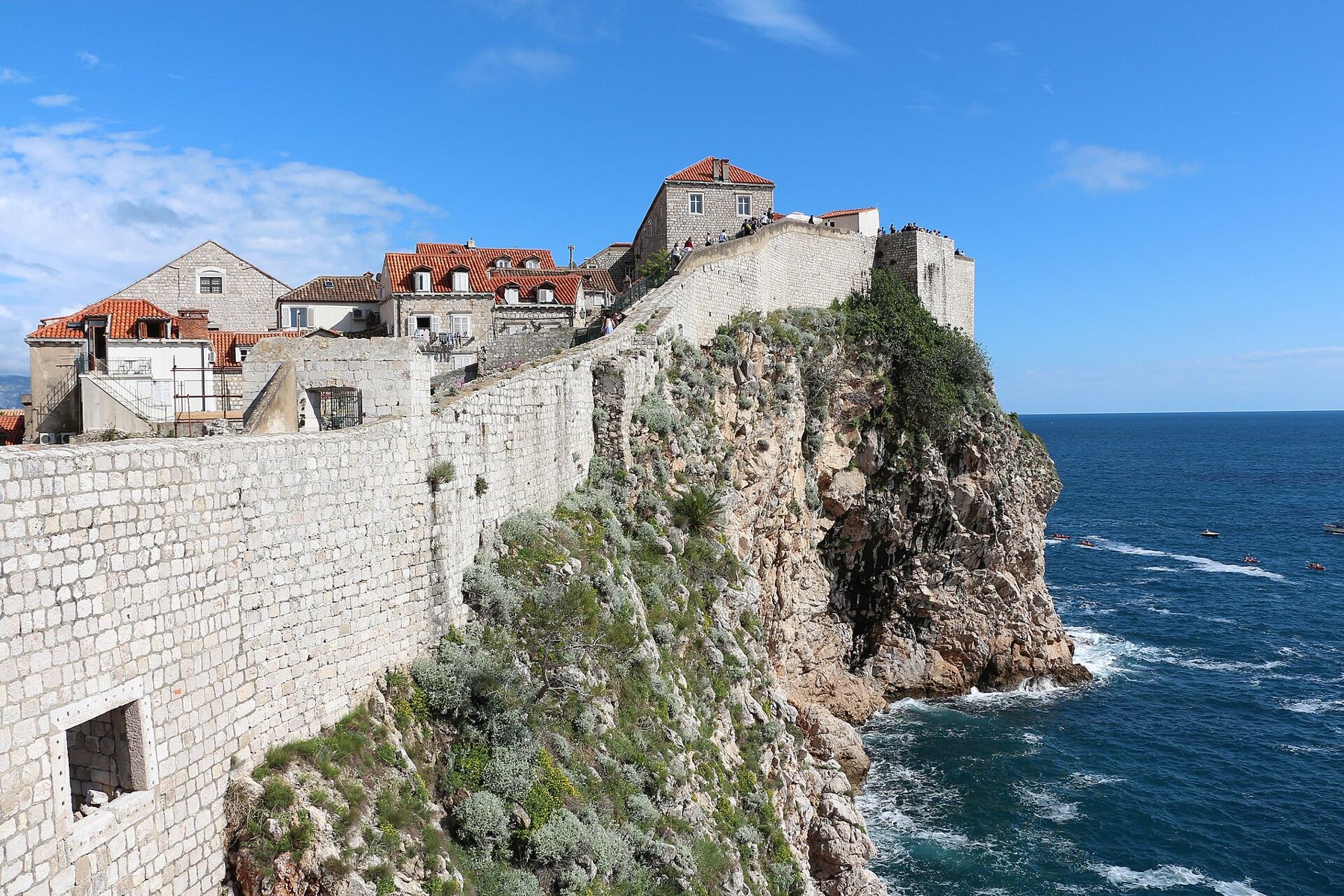
First thing in the morning, or late in the day. The city walls of Dubrovnik are quietest in the first hour after opening and in the last hour or two before closing. The crush comes from mid-morning to mid-afternoon, when day visitors and cruise passengers arrive, and the walkway, only a few metres wide in places, turns into a slow procession. In summer, an early start also beats the heat, which matters on a walk with almost no shade.
Why the middle of the day is so busy
Dubrovnik's old town is small, and the walls are its signature experience. On summer days, cruise ships anchor or dock nearby and send thousands of passengers ashore, mostly arriving in the morning and leaving in the afternoon. Tour groups arrive on similar schedules. Since nearly everyone wants to walk the walls, the walkway fills from about ten o'clock. The city has introduced measures to manage cruise numbers in recent years, but busy days are still easy to spot.
You can check which cruise ships are expected on a given day through port schedules published online. A day with no ships, or only one small one, is a good day for the walls at any hour.
Opening hours and the early slot
The walls open in the morning and close in the evening, with hours that change through the year: long days in summer, shorter in winter. Check the current times before you go. In summer, arriving a few minutes before opening means you can be up on the walls and well along the circuit before the first big wave arrives.
Late in the day has its own magic. The light softens, the stone turns honey-coloured, and the views over the terracotta roofs and the Adriatic are at their best. The last entry is usually some time before closing, so do not leave it too late.
A day with no ships, or only one small one, is a good day for the walls at any hour.
Which entrance to use
There are several entrances. The main one, near Pile Gate at the western end of the old town, is the busiest, because most visitors arrive there. Starting at the Ploče Gate on the eastern side, or the entrance near the fortress by the old port, often means shorter queues. The walk itself follows a one-way direction, so you will meet people only going the same way as you, but the entrance you choose decides where in the flow you start.

Sun on the stone
The walls are stone and open to the sky. In July and August, the middle of the day can be very hot, with sun reflecting off the walls and the sea. There are a few small stops along the circuit, but little shade. Carry water, wear a hat, and avoid noon. In spring and autumn, conditions are much kinder, and May and October are often the best months overall.
The rest of the old town
The same rhythm applies below the walls. The Stradun, the polished limestone main street, is crowded in the middle of the day and lovely early and late. Use the busy hours for a boat to an island, a swim from the rocks outside the walls, or a museum, and come back to the old town as the crowds thin.
Reading the day before you go
A little planning the night before makes a big difference. Check how many cruise ships are due and when they arrive, look up the current opening time of the walls, and check the forecast for heat or wind. On a day with several large ships, plan the walls for opening time and leave the old town for the late afternoon. On a quiet day, you can be relaxed about timing and choose the softer late light instead.
If you are staying inside or near the old town, you have an advantage: you can be at an entrance within minutes of opening. If you are staying further out, allow time for buses or a walk in, and remember that buses into the old town fill up at the same times as the walls.
From the walkway, looking down
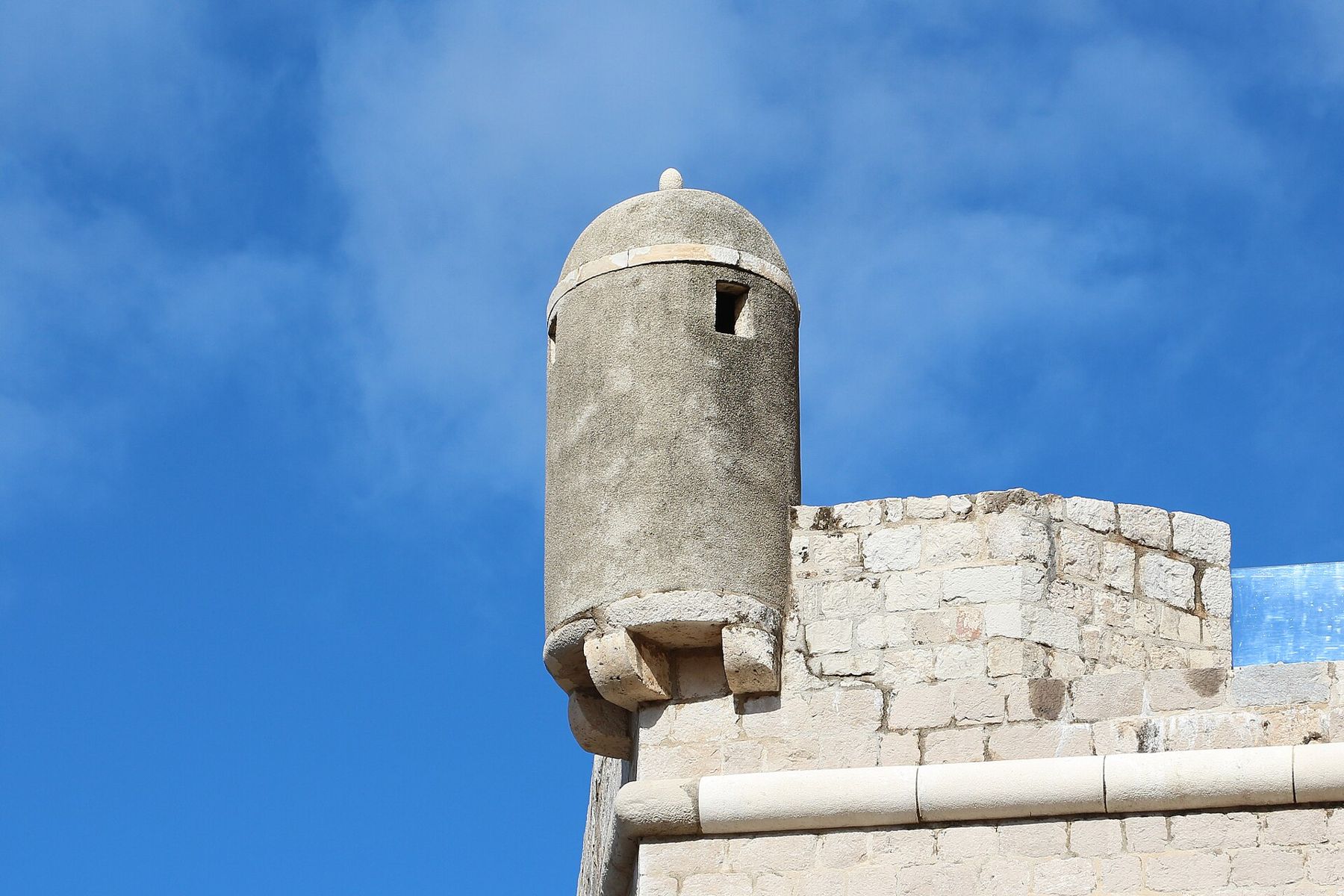
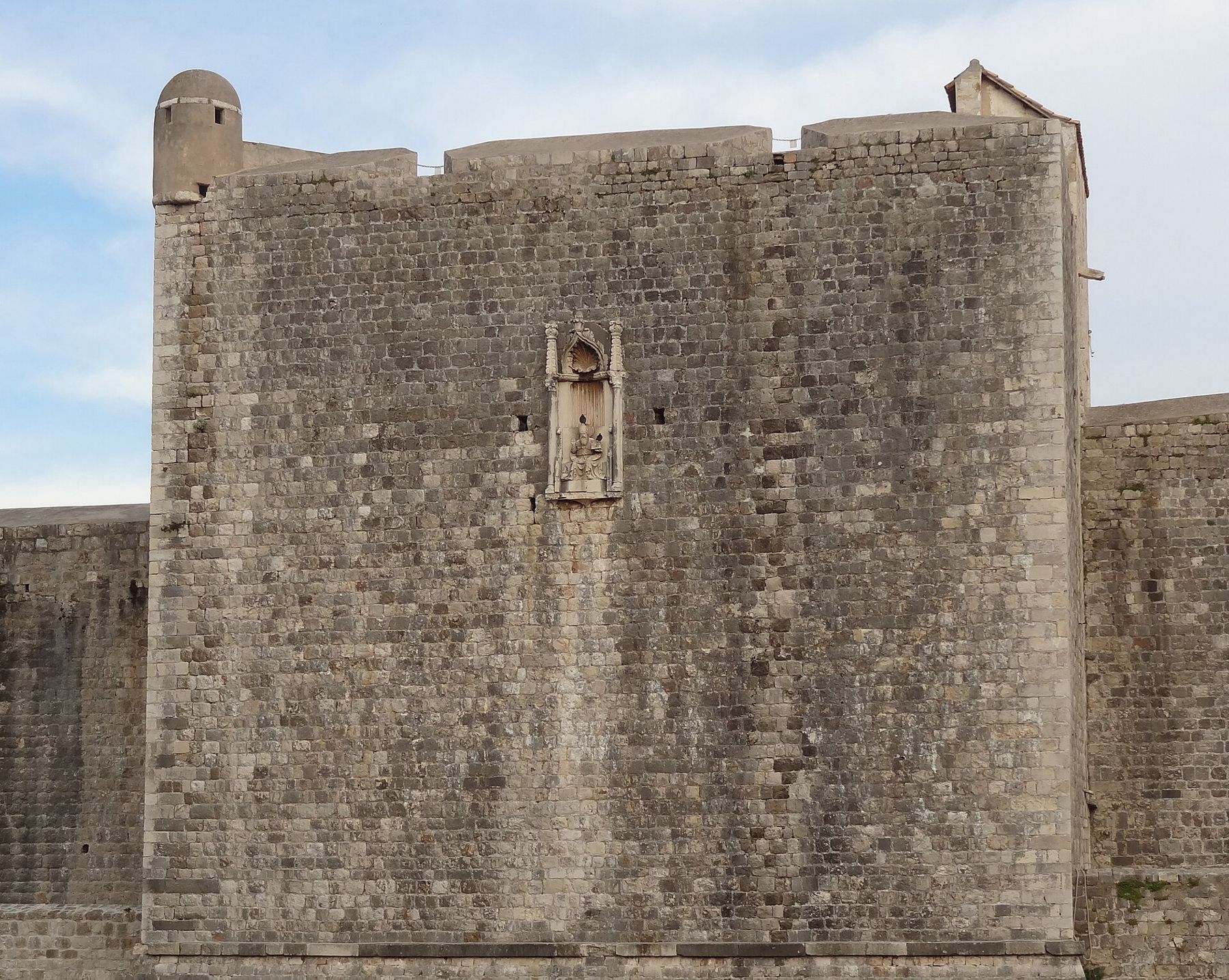
Part of the reason for the crowds is the view. From the walls, you look straight down into the old town's lanes and courtyards, over roofs patched with old and new tiles, a reminder of the damage of the early 1990s and the repairs that followed. On the seaward side, the walls drop to cliffs and clear water where people swim from the rocks. Towers and bastions at intervals give wider views, and the highest point, the Minčeta Tower, looks over the whole city.
It is a walk worth doing slowly. That is the real reason to avoid the busiest hours: not just the crush, but the chance to stop where you like, for as long as you like, without someone behind you waiting to pass.
Families and slower walkers
The walkway is narrow in places, with steps and uneven stone. At quiet times, families with children and slower walkers can take their time without holding anyone up. At peak times, the flow of people makes that harder, and stopping in narrow sections is awkward. If you need to go slowly, the early slot is especially worthwhile.
Spring and autumn
Outside July and August, the pattern is the same but gentler. In May, June, September and October, the walls are still busiest in the middle of the day, especially on cruise days, but the heat is moderate and the crowds smaller. These months combine long opening hours with comfortable temperatures, and they are the best overall for a walk on the walls. Early mornings in autumn can be wonderfully clear, with the islands sharp on the horizon.
In late autumn and winter, opening hours are shorter but the walls are rarely crowded at any time. The trade-off is weather: wind and rain can make the exposed walkway unpleasant, and the walls may close in storms.
Tickets in general terms
Walking the walls requires a ticket, which has also included entry to Fort Lovrijenac, the fortress on the rock outside Pile Gate, in recent years. Prices and inclusions change, and there are often discounted options for some groups, so check the official information before you go. Buying in advance where possible saves time at the busiest entrances.
For how long the circuit takes once you are up there, see how long the walls walk takes. If you are visiting in the quiet season, read whether Dubrovnik is worth visiting in winter. The same early-start logic works in Kyoto at Fushimi Inari.
Next question: How long does the Dubrovnik walls walk take?