Reykjavík › How many days
Is the Golden Circle doable in a day?
Yes. The classic loop of Þingvellir, Geysir and Gullfoss is a comfortable day from Reykjavík, roughly 230 to 300 kilometres depending on the route. In midwinter the short daylight makes it tighter.
When that changes: In December and January, with four or five hours of daylight and icy roads, the loop is a rush; extra stops such as craters or hot baths need a longer summer day.
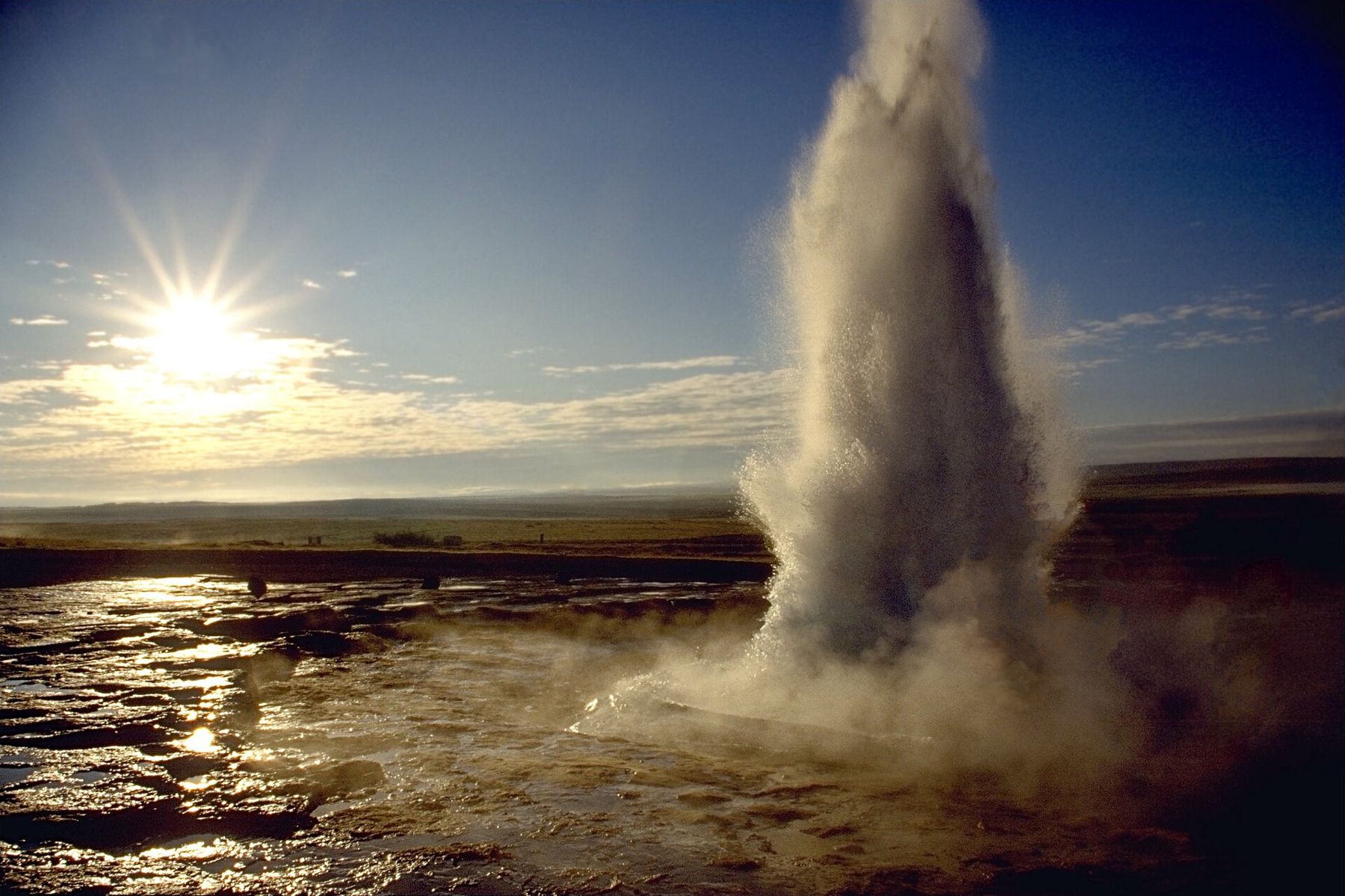
Yes. The Golden Circle is designed as a day trip, and most people do it in one. The loop from Reykjavík to Þingvellir National Park, the Geysir geothermal area and the Gullfoss waterfall and back covers roughly 230 to 300 kilometres, depending on the route, with about three to four hours of driving. Add time at each stop and you have a full, comfortable day in summer. In midwinter the short daylight and winter roads make it tighter, but still possible.
The three stops
Þingvellir National Park. About an hour from Reykjavík, this is where the North American and Eurasian tectonic plates pull apart, leaving rift valleys and cliffs you can walk between. It is also the site of the Alþingi, the assembly founded in 930, which makes Þingvellir central to Iceland's history. It is a UNESCO World Heritage Site. Allow one to two hours for the main walk through the rift and the viewpoints.
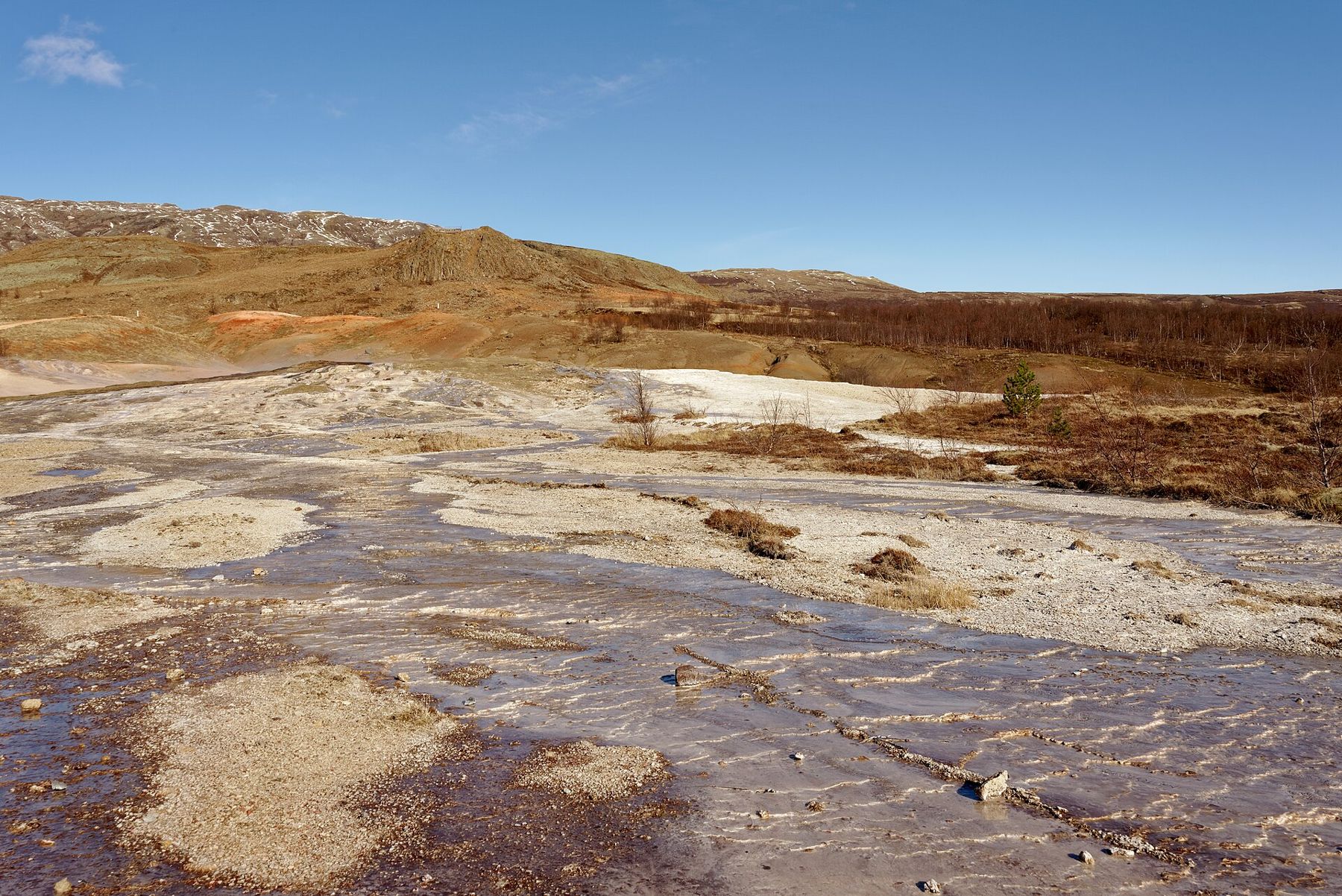
Geysir. The Haukadalur geothermal area is full of steaming vents and bubbling pools. The great Geysir, which gave its name to all the others, rarely erupts now, but its neighbour Strokkur shoots water high into the air every few minutes. Stay on the paths: the ground and the water are dangerously hot.
Gullfoss. The "golden falls" on the Hvítá river drop in two stages into a deep canyon. In winter, parts of the falls and the paths can be iced over. Viewpoints at the top and lower down give different angles, and the spray reaches far on a windy day.
How long it really takes
| Leg | Typical time |
|---|---|
| Reykjavík to Þingvellir | About 45 minutes to an hour |
| Þingvellir to Geysir | About an hour |
| Geysir to Gullfoss | About 10 to 15 minutes |
| Gullfoss back to Reykjavík | About an hour and a half to two hours |
These are rough guides in good conditions. Allow more for weather, roadworks and traffic in high season.
Winter: the daylight problem
Around the winter solstice, Reykjavík gets only about four to five hours of daylight. Leaving at first light and returning in the dark is normal. If you drive yourself, winter roads can be icy or snowy and the weather can change fast; check the official road and weather information before you leave, and be prepared to turn back. Many winter visitors prefer an organised tour for this reason. This guide names no operators.
The upside is the light: low winter sun makes long golden hours, and steam from the geysers glows against the snow.
Summer: room for more
In June and July, when it hardly gets dark, the day is long enough to add stops. Common additions include the volcanic crater of Kerið, small towns with geothermal greenhouses, or one of the hot baths in the area. Some of these charge entry and keep their own hours, so check in advance. Even so, many people find the three main sights plenty for one day.
Driving yourself or joining a tour
Driving gives you freedom to stop where you like and to arrive at the sights early or late, when they are quieter. Tours remove the stress of winter driving and navigation. Either way, start early. The big tour coaches tend to arrive at each stop in waves from mid-morning; arriving before them, or after them in the late afternoon in summer, makes a real difference.
Þingvellir in more detail
Most visitors start at the visitor area on the rim of the Almannagjá gorge, then walk down into the rift on a broad path between walls of dark rock. The path leads to the site of the old assembly, marked by a flagpole, and on toward a waterfall that tumbles into the rift. The lake beside the park, Iceland's largest natural lake, is visible from the higher viewpoints. In the water-filled fissures of the park, the water is famously clear and very cold; snorkelling and diving there are run under strict rules by licensed operators, which this guide does not name.
Paths are well marked but can be icy in winter. Allow longer if you want to walk further into the park, where the crowds thin quickly.
Safety at the sights
The Golden Circle's sights are natural hazards as well as attractions. At Geysir, the water in the pools is close to boiling, and the ground near vents can be thin. At Gullfoss, the canyon edges are sheer and the paths can be slippery with spray and ice. Barriers and ropes are there for real reasons; stay behind them, keep children close and follow any closures on the day. Weather in Iceland changes quickly, so carry an extra layer even on a sunny morning.
Food, toilets and pauses
There are cafés and restaurants at the main stops, and visitor facilities with toilets at Þingvellir, Geysir and Gullfoss. They are busy at lunchtime when the tour groups arrive, so a packed lunch or an early or late meal saves time. In winter, a hot drink at Gullfoss after the cold spray is welcome.
Plan a toilet stop at each main site: facilities between them are few, and some charge a small fee.
The small print
- Fuel stations are spread out; fill up before leaving the city.
- Parking charges apply at some sites; arrangements change, so check on arrival.
- Weather at Gullfoss is often windier and colder than in Reykjavík. Bring waterproofs.
- Never step over barriers at the hot springs or the canyon edge.
If you are staying in Reykjavík in winter, read how much daylight December brings before choosing your day, and keep an evening free for the northern lights.
Next question: Is Reykjavík dark all day in December?