Reykjavík › Weather answers
Is Reykjavík dark all day in December?
Nearly, but not quite. Around the winter solstice the sun is up for only about four to five hours, low on the horizon, with long twilight either side. The rest is darkness, lamps and Christmas lights.
When that changes: Early December and late December differ a little, and the light grows quickly after the solstice; by February, days are already much longer.
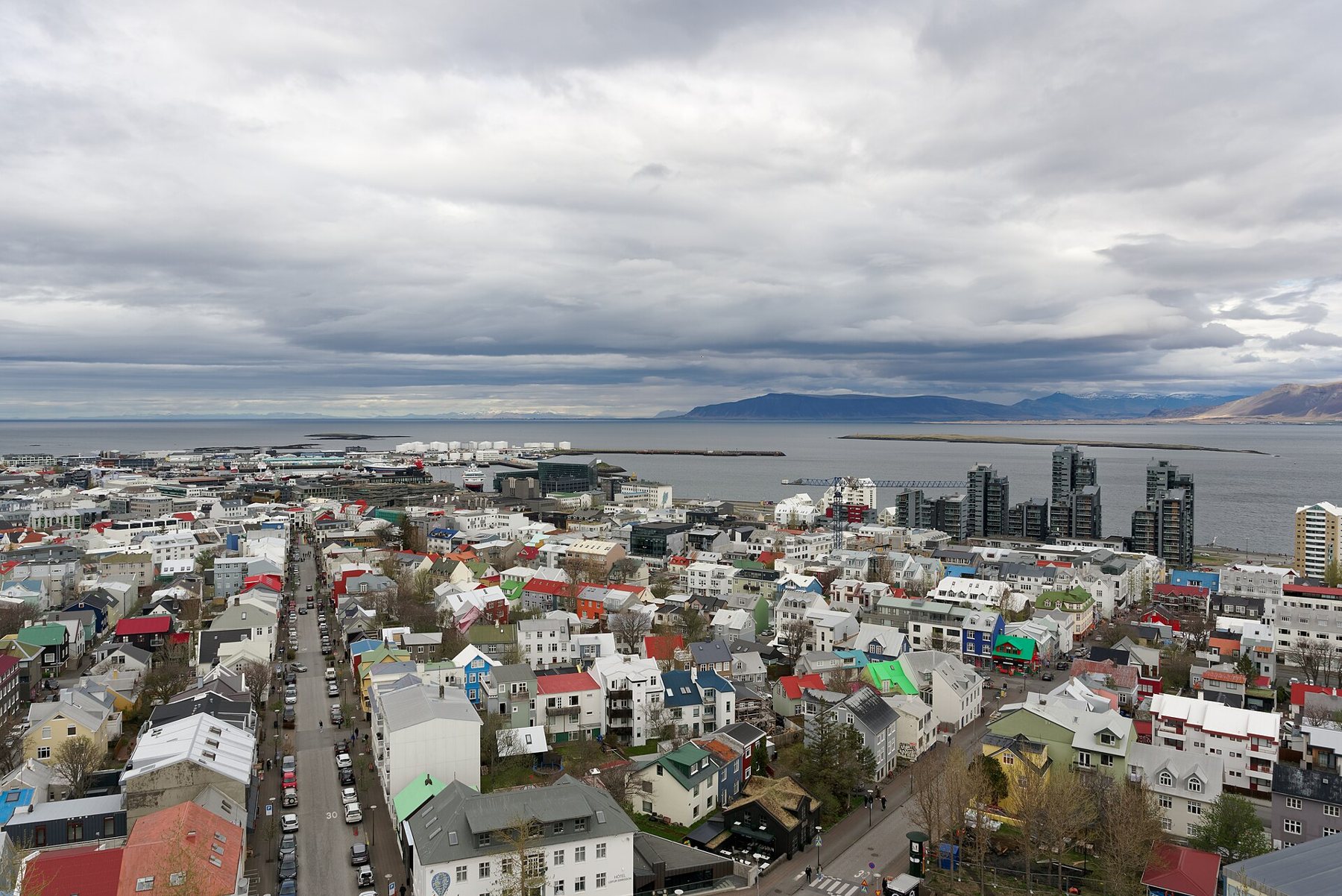
Nearly, but not entirely. In December, Reykjavík gets roughly four to five hours of daylight around the winter solstice on 21 or 22 December. The sun rises late in the morning, around half past eleven, and sets in the middle of the afternoon, around half past three. It never climbs far above the horizon. Before sunrise and after sunset there is a long twilight, so the sky is usefully light for a while longer than the bare sunrise and sunset times suggest. The rest of the day is dark.
What the day feels like
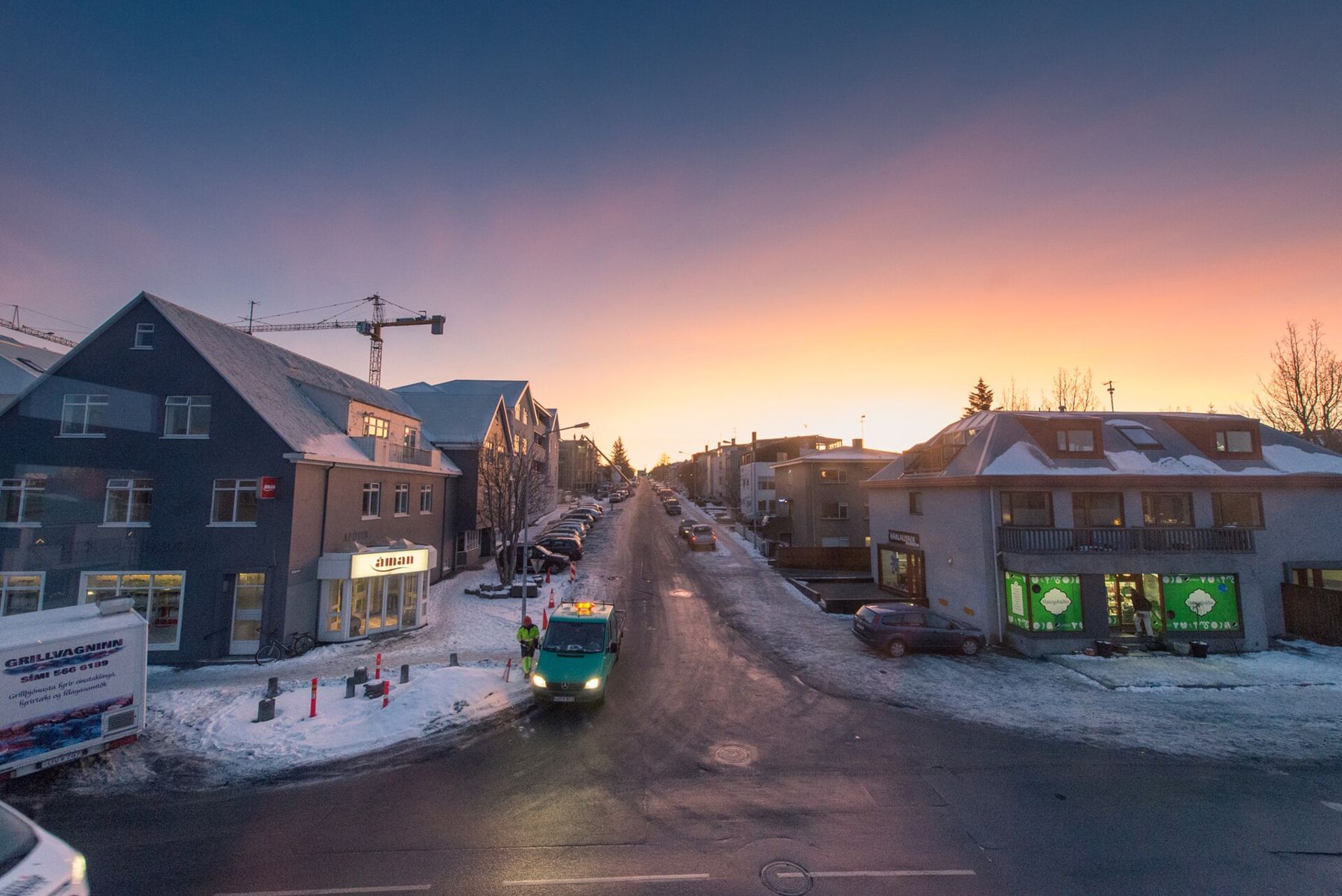
The light in December is low, soft and often beautiful when the sky is clear: a long dawn that turns straight into a long dusk, with pink and gold on the snow and the mountains across the bay. On grey days, it can feel as if the light never quite arrives. Either way, you will spend much of your waking time in darkness, and the city is made for it, with candles in windows, warm cafés, lit streets and lights strung everywhere.
| Date | Approximate daylight |
|---|---|
| Early December | About five hours |
| Winter solstice | About four hours |
| Late January | About six to seven hours |
| Late February | About nine hours |
The figures are rounded and change daily; check sunrise and sunset times for your dates.
Planning a December day
The trick is to save the light for things that need it. Use the late morning and early afternoon for outdoor sights, views and short trips out of town. Use the dark hours for museums, swimming, food and, on clear nights, looking for the aurora.
- Before sunrise: a swim in one of the city's geothermal pools, which open early and are heated year round. Steam rising into the dark is a very Icelandic way to start the day.
- Daylight hours: walk the old harbour and the shore, or take a short excursion.
- Afternoon dark: museums and galleries, the concert hall on the harbour, the view from the church tower.
- Evening: Christmas lights, and if the sky is clear, the northern lights.
Hallgrímskirkja and the view
The tall white church of Hallgrímskirkja, with its stepped concrete tower inspired by basalt columns, stands on the hill above the centre. A lift goes up the tower to a viewing platform with views over the colourful roofs, the harbour and the mountains. In December, time your visit for the brief daylight, or come at dusk to see the city lights come on. Opening hours change in winter and around services and concerts, so check before you go.
Christmas in the dark
Icelandic Christmas has its own traditions. Instead of one Santa, there are thirteen Yule Lads, mischievous figures from folklore who come to town one by one in the days before Christmas. Shop windows and streets are decorated, and Advent concerts fill churches. The city is lively through December, though many places close or change their hours on 24 to 26 December, so plan for that.
New Year's Eve is famous for its fireworks, set off across the city by residents, and for traditional bonfires in the evening. It is loud, bright and memorable, and the one night when the darkness is completely overruled.
Light and mood
Some visitors worry that so much darkness will feel gloomy. In practice, Reykjavík does its best to defy it. Windows glow with candles and lamps, streets are hung with lights, and people go out regardless of the hour. The low sun, when it appears, paints the snowy mountains across the bay in colours that summer never shows. And darkness has its own pleasures: the stars on clear nights, the warmth of a café after a cold walk, and the chance of the aurora.
If you are sensitive to short days, plan a structured routine: get outside in the brief daylight every day, even for a short walk, and keep evenings busy.
Getting around in the dark
Reykjavík's centre is small and walkable, with lit streets. Outside the centre, paths and roads can be dark and icy. Wear something reflective when walking along roads, carry a headtorch, and allow extra time. Buses run across the city, with reduced service on holidays. If you rent a car, be confident with winter driving, check road conditions daily and remember that daylight for driving is limited.
Weather to expect
December in Reykjavík is usually around freezing, often a little above, with wind that makes it feel much colder. Snow, sleet and rain all happen, sometimes on the same day, and storms can close roads outside the city. Pavements can be icy; shoes with grip or slip-on ice cleats help. Check weather and road warnings daily if you plan to leave the city.
The pools in winter
Reykjavík's public swimming pools are one of the best answers to the dark. Heated by geothermal water, they stay open in winter, with outdoor pools and hot tubs where people sit and talk in the steam while snow falls. Pool etiquette is strict and important: shower thoroughly without a swimsuit before entering, as signs explain. Opening hours vary by pool and are shorter on holidays, so check before going.
Is it worth it?
For many people, yes: the long twilight, the lights, the warm pools and the chance of the aurora make December special. If you want long days for road trips and hiking, choose late winter, spring or autumn instead. For a day trip that fits into the short light, see the Golden Circle in a day, and for the night sky, seeing the northern lights from Reykjavík.
Next question: When are Dubrovnik's city walls least crowded?