Reykjavík › What time to go
Can you see the northern lights from Reykjavík?
Sometimes. On a clear, dark night with strong activity the aurora can dance right over the city, but streetlights wash out weaker displays. A short trip to the dark edge of town improves the odds.
When that changes: Between about May and August the nights are too light for the aurora; cloud cover rules out any night, however strong the activity.
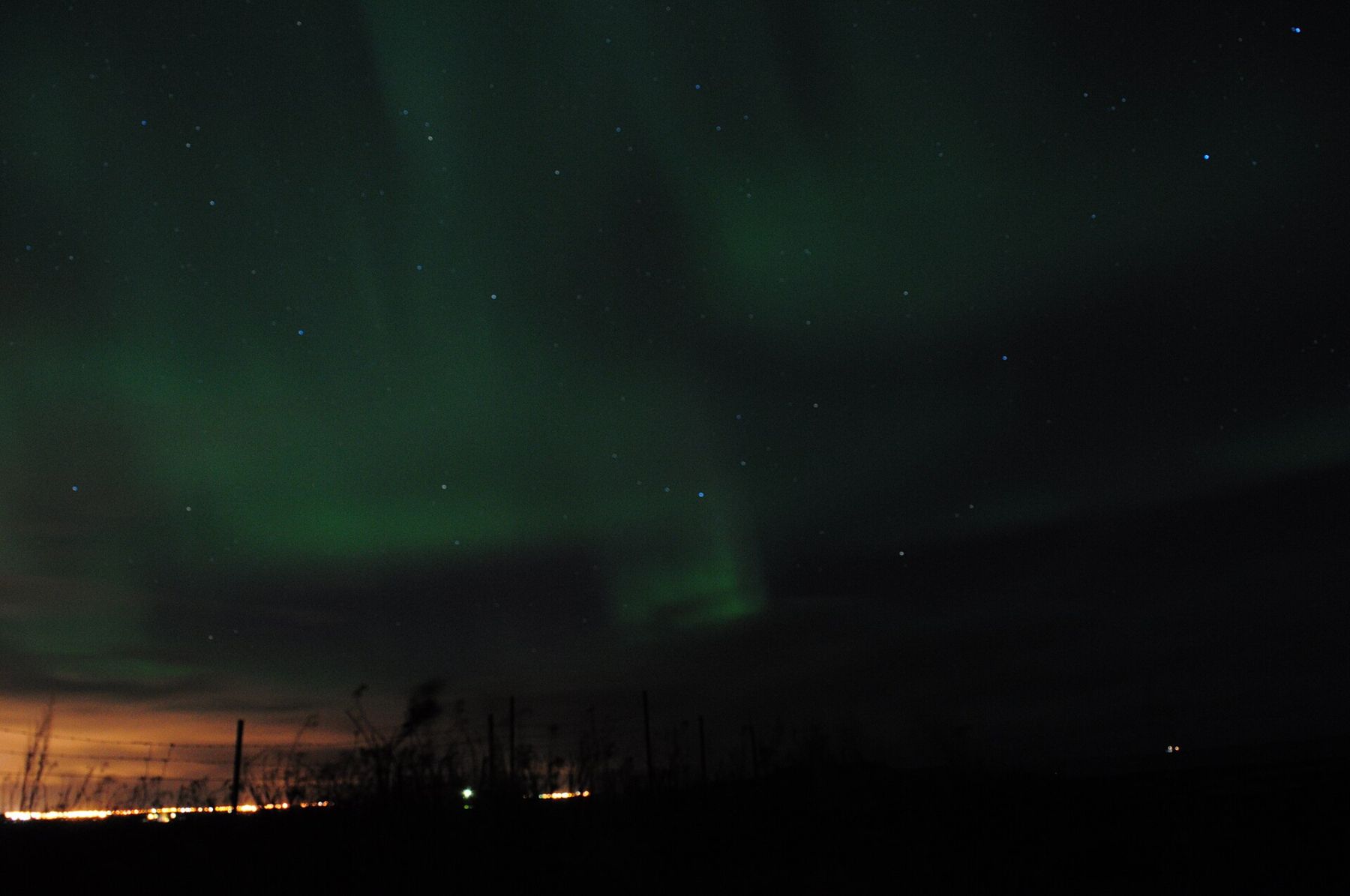
Sometimes. The aurora borealis can appear over Reykjavík itself, and on strong nights people stand in the streets watching it ripple across the sky. But two things decide whether you see it: darkness and clear skies. The city's lights wash out fainter displays, and cloud, which is common in Iceland, hides everything. Your best odds come from a clear night in the dark season, standing somewhere on the dark edge of town or outside it.
The season
The aurora is present in the sky all year, but you can only see it when it is properly dark. In Iceland, that rules out roughly May to August, when the nights are too short and too light. The viewing season runs from about late August or September to April. The months around the equinoxes, September and October, February and March, are often recommended, because the nights are long but the weather can be a little kinder than in midwinter. Midwinter has the longest darkness of all, but also frequent storms.
What decides a good night
- Clear skies. The most important factor. No aurora shows through thick cloud.
- Solar activity. Forecasts of auroral activity are published daily; higher numbers mean a better chance of a visible, moving display.
- Darkness. Away from city lights, and ideally away from a bright moon.
- Time. Displays often come between late evening and the early hours, but can appear at any time it is dark.
Iceland's national weather office publishes forecasts of both cloud cover and aurora activity. Check them in the afternoon and again in the evening, because conditions change quickly.
Where to stand in the city
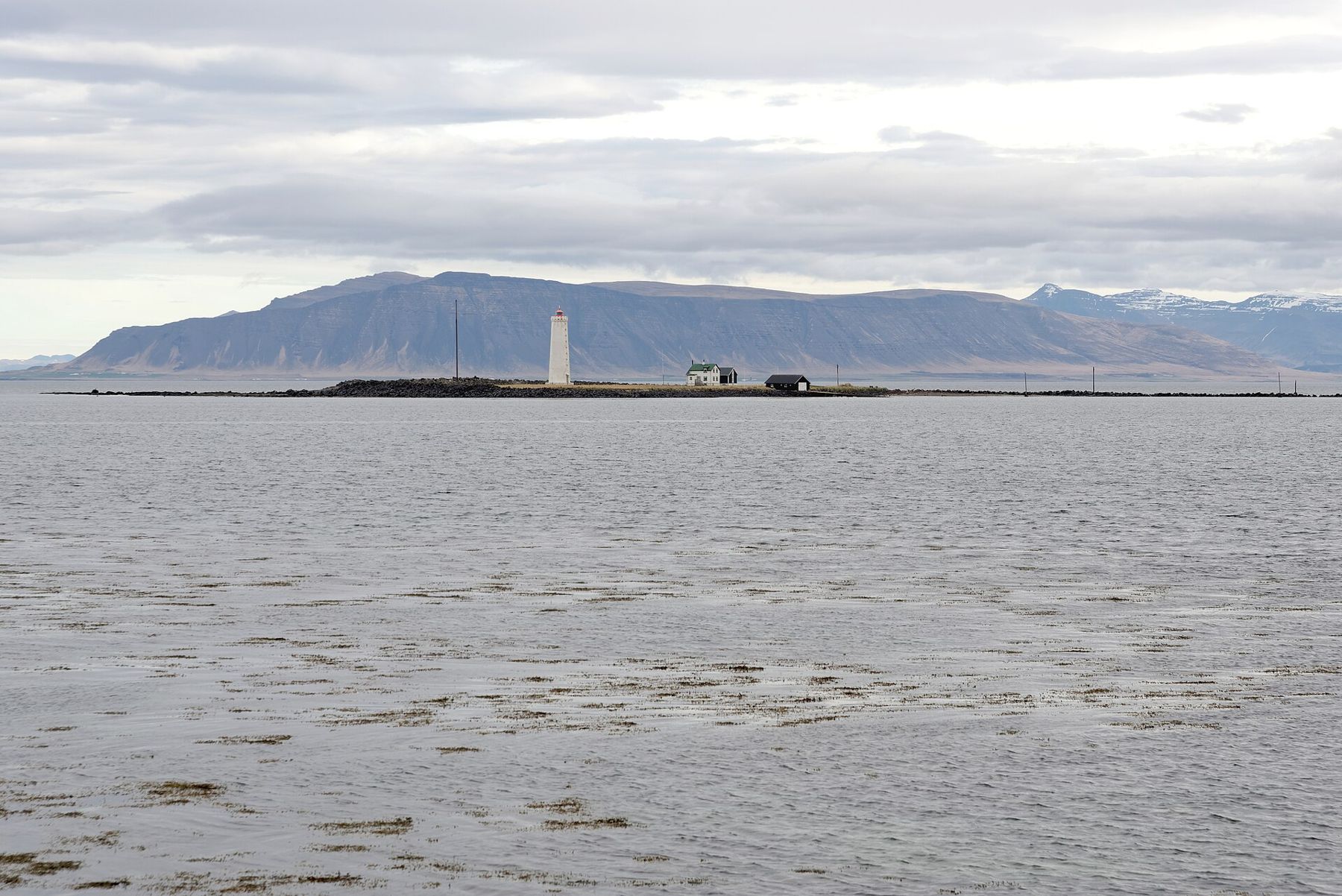
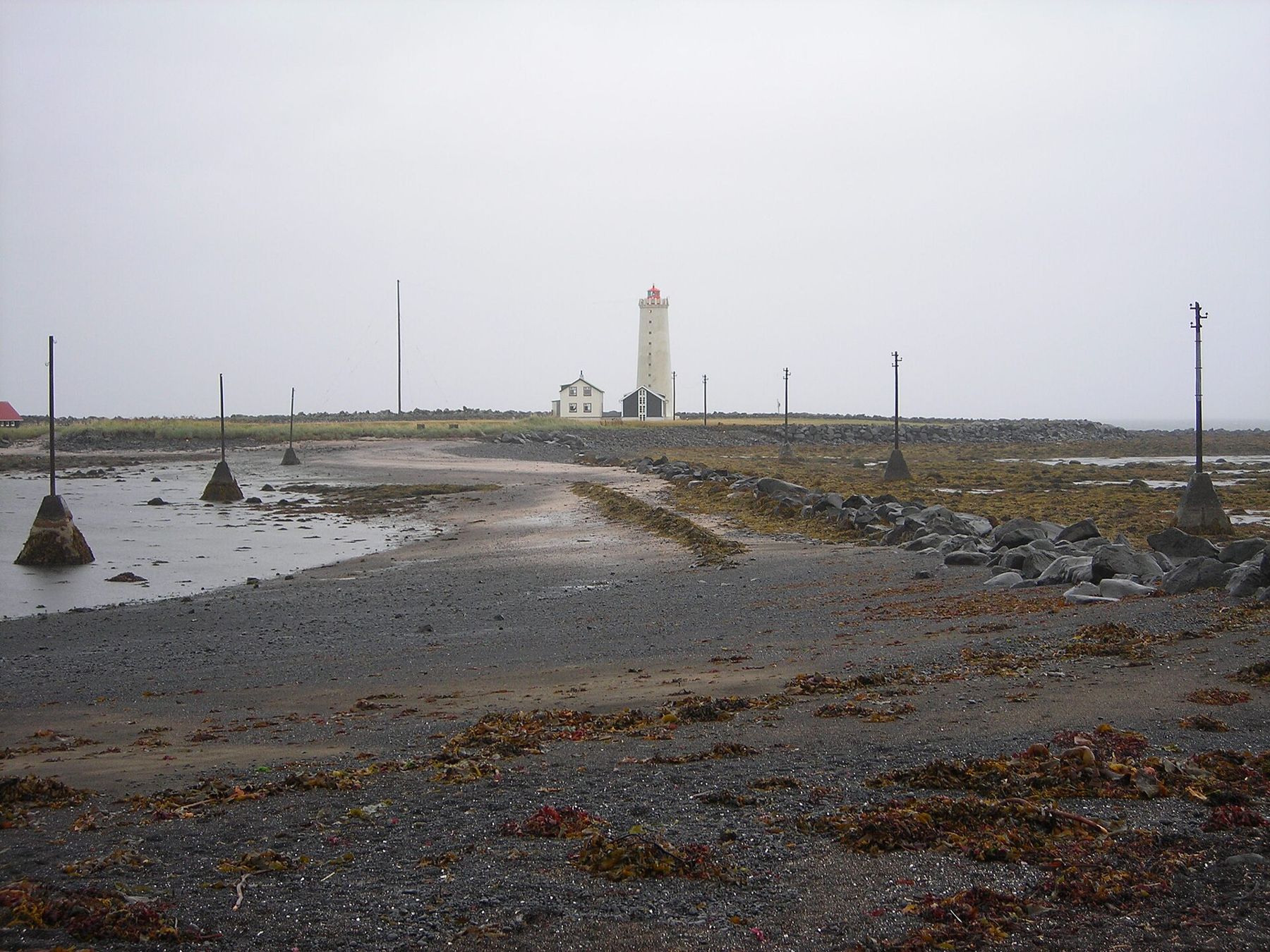
Get away from streetlights. Within Reykjavík, the best-known spot is Grótta, a lighthouse on a small tidal islet at the end of the Seltjarnarnes peninsula, west of the centre. It faces the open sea to the north, and the sky is darker there than in town. Walking out to the lighthouse itself depends on the tide, and the causeway can be cut off; stay on the mainland side unless you are sure of the tide times.
Other options include the shoreline paths along the north coast of the city, the hill of Öskjuhlíð with its woods, and larger parks such as Klambratún. None is truly dark, but all are better than a lit street.
Going out of town
Even twenty or thirty minutes' drive out of Reykjavík makes a big difference, because the sky gets truly dark. Many visitors join an organised evening trip, which removes the challenge of driving on winter roads at night. This guide names no operators. If you drive yourself, check road conditions and weather warnings before setting out, pull off the road fully to stop, and never park on the carriageway to watch the sky.
Þingvellir National Park, about an hour away, is a popular dark-sky area, and coastal spots west and south of the city also work. Wherever you go, the weather decides, and the gap between clear and cloudy can be a few kilometres.
Keeping warm while you wait
Aurora watching is mostly waiting. Dress for standing still in wind at sub-zero temperatures: thermal layers, a windproof outer layer, a warm hat, gloves and good boots. Bring a hot drink in a flask. Give your eyes twenty minutes to adapt to the dark and keep phone screens dim.
Cameras often see more than eyes. A weak aurora may look like a pale grey-green arc to the eye but show strong green on a long-exposure photograph. A tripod and a few seconds of exposure are enough to capture it.
What it looks like
A typical display starts as a pale arc or band low in the northern sky, often greyish or faintly green. It may stay that way, or brighten, spread and begin to move, forming curtains and rays that ripple and shift across the sky. On the strongest nights, the aurora fills the whole sky, with green, sometimes pink or purple edges, and moves fast enough to seem alive. Displays can last a few minutes or come and go over several hours, with quiet spells in between.
That variability is why patience pays. Many people give up too soon. If the forecast is good and the sky is clear, stay out for an hour or two, warm up, and look again.
The moon and the city
A full moon brightens the sky and makes faint aurora harder to see, though strong displays still show clearly and the moonlit landscape can be beautiful in photographs. Around the new moon, skies are darkest. In the city, even the best spots have some glow from streetlights, so displays need to be stronger to impress. Turning your back on the brightest lights and letting your eyes adapt makes more difference than you might expect.
Photographers should switch off the flash, set a wide aperture and a high sensitivity, and focus manually on a distant light or bright star. Phone cameras with a night mode can do surprisingly well if held steady.
Expectations
Nobody can guarantee the northern lights. Some visitors see a spectacular display on their first night; others spend a week under cloud. Plan several nights in the season if seeing them matters to you, keep evenings flexible, and enjoy the rest of Iceland in between. Reykjavík's winter days are short: see how dark it is in December. And for a daytime trip that pairs well with an aurora night, read the Golden Circle in a day.
Next question: Is the Golden Circle doable in a day?