Kyoto › Weather answers
Is Kyoto worth it in August?
It is hard work, but it can be. Kyoto in August is hot and very humid, yet the month brings the great bonfires of Obon, lantern-lit evenings and cooler valleys a short ride away.
When that changes: If you have heart or breathing problems, travel with very young children, or want long daytime walks between temples, spring or autumn is far kinder than August.
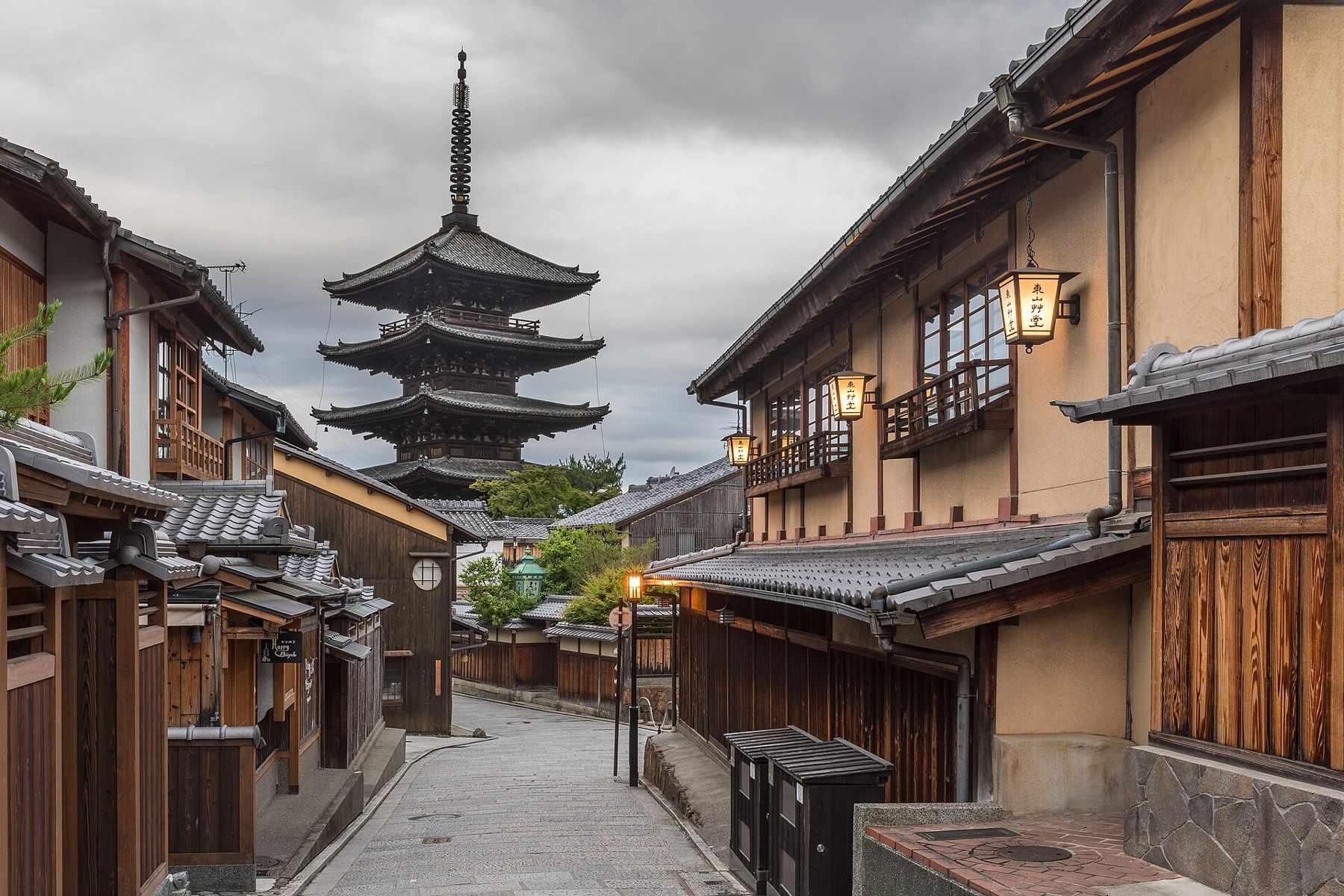
Yes, with care. August is one of Kyoto's hottest and most humid months, with afternoons usually in the low to mid thirties Celsius, around 33 to 35 °C (91 to 95 °F), and humidity that makes it feel hotter. It is not the comfortable Kyoto of spring and autumn. But if August is your only chance, the city still rewards an early start, a long midday break and evenings outdoors, and the month has one of Kyoto's most memorable events.
What the weather is really like
Kyoto sits in a basin surrounded by hills, which traps heat in summer. Nights stay warm, often in the mid twenties Celsius, so the city never really cools down. Sunshine alternates with sudden thunderstorms, and August and September are also typhoon season in Japan, when storms can disrupt trains and close outdoor sights for a day.
Heatstroke is a real risk, and Japanese authorities issue heat warnings in summer. Locals carry towels, fans and drinks, and so should you.
The reason to go: Gozan no Okuribi
On the evening of 16 August, at the end of the Obon period when the spirits of ancestors are believed to visit, huge bonfires are lit on five mountains around the city. They form shapes and characters, the most famous being the giant character for "great" on Mount Daimonji in the east. The fires send the spirits back, and the city turns out to watch.
Viewing spots along the Kamo River, bridges and some higher ground give views of one or more fires. Crowds are large and the fires burn for a fairly short time, so arrive early and choose one spot. The event depends on weather and arrangements each year; check the details in advance.
Evenings outdoors
Summer evenings are Kyoto's consolation. Along the Kamo River, the riverbanks fill with people sitting by the water after dark. Some temples hold evening openings or illuminations in summer, though which ones and when varies from year to year. Walking the lanes of Higashiyama or Gion after sunset, when the lanterns are lit and the stone has started to cool, is far more pleasant than at noon.
Cooler escapes
The hills around Kyoto are a few degrees cooler than the city. Kibune, a valley north of the city reached by a short local train and a walk, is a traditional summer retreat, with a shrine beside a mountain stream and cool, shaded paths. Kurama, next door, has a mountain temple and a hiking trail between the two. Arashiyama's bamboo grove and riverside are best early in the morning, before the heat and crowds build.
How to plan an August day
- Be out by seven. Popular sights such as Fushimi Inari or Kiyomizu-dera are cooler and quieter early.
- Head indoors from late morning to mid-afternoon: museums, department stores, covered shopping streets or simply your room.
- Go back out from about five, for gardens, shrines and the riverside.
- Drink often, add electrolytes, and rest in shade at the first sign of headache or dizziness.
- Expect crowds around Obon, when many Japanese people travel home.
What August does well
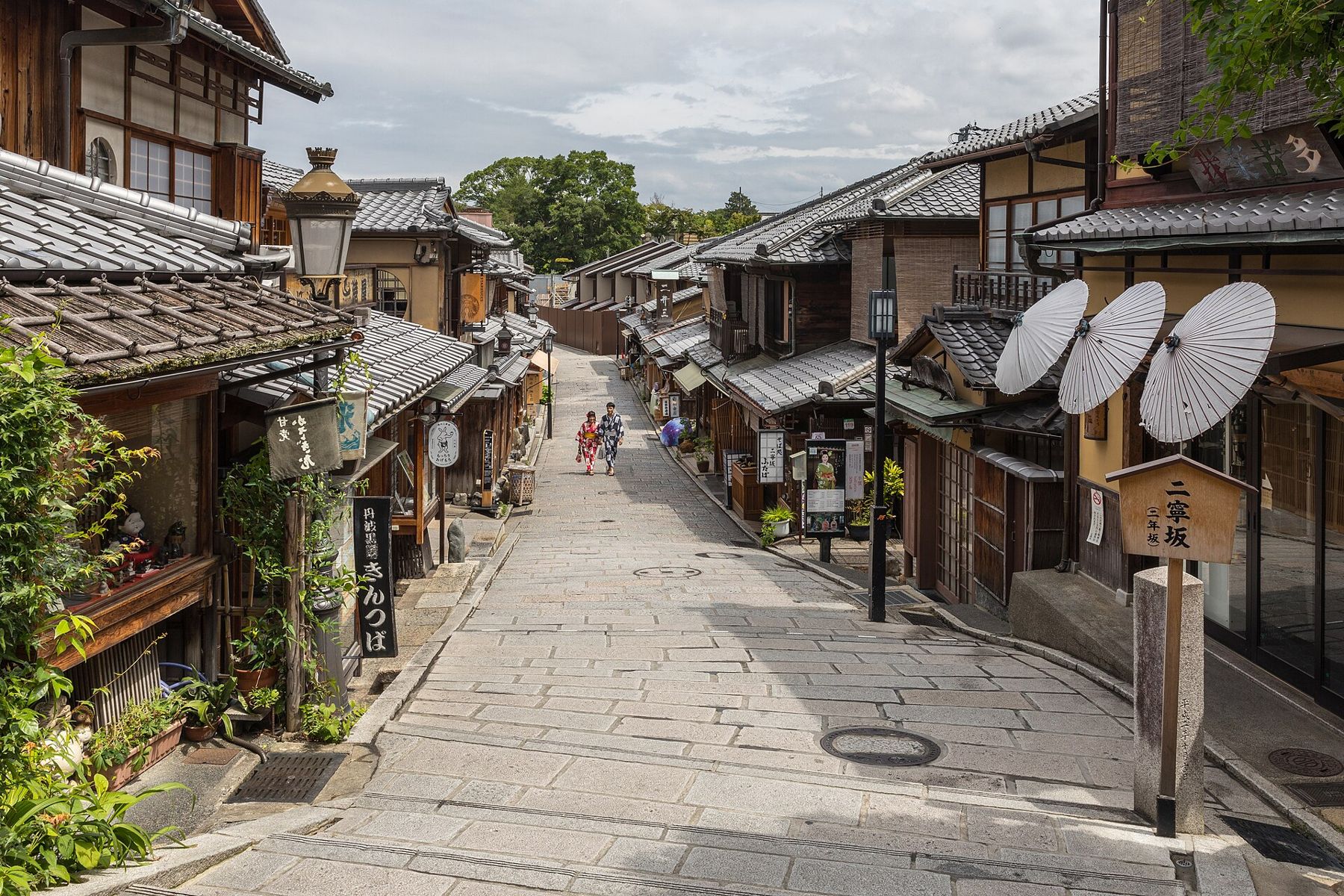
There are advantages. The lush green of summer suits Kyoto's moss gardens and temple grounds, which are at their most vivid after rain. Days are long, so an early start and a late evening still leave plenty of daylight. And while Obon brings domestic travellers, many international visitors avoid the summer heat, so some sights are less crowded than in the cherry-blossom or autumn-leaf weeks.
Summer is also the season of festivals across Japan. Kyoto's great Gion Matsuri belongs to July, with its float processions in the middle and second half of the month, so a visit at the very start of August misses it, but local neighbourhood festivals and temple events continue through the summer.
Staying well in the heat
Heat illness creeps up. Signs include headache, dizziness, nausea and unusual tiredness. If you feel them, get into shade or air conditioning, drink, and rest. Vending machines and convenience stores make it easy to find water and sports drinks almost anywhere in the city. Light, loose clothing, a hat and a small towel for the back of the neck make a real difference. Many visitors carry a folding fan, and locals use handheld ones too.
Temples and gardens often involve stairs, gravel and long walks in the sun between buildings. Pace yourself, and do not try to see as much as you would in October.
Finally, plan for rain: a summer storm can be heavy but short. An umbrella doubles as a sunshade, as many people in Kyoto use them, and it is easy to wait out a downpour under a temple roof.
Who should choose another month
If you are sensitive to heat, have a medical condition that makes it dangerous, or travel with babies or very elderly companions, August is a poor choice. The same applies if your dream is long walks between temples in the middle of the day. Late March and early April bring cherry blossom; November brings autumn leaves; both are crowded but comfortable.
For how long to stay whatever the month, see how many days in Kyoto is enough. The early start that saves August also works at Fushimi Inari. For a very different kind of summer heat, see whether May is too hot for Seville.
Next question: How many days in Kyoto is enough?