Seville › Weather answers
Is May too hot for Seville?
Usually not. May afternoons in Seville are warm to hot, but the real furnace months come later. Plan the middle of the day indoors and May is one of the best months to go.
When that changes: Late May heatwaves can push afternoons well into the thirties. If heat makes you ill, or you can only sightsee in the afternoon, early spring or late October is safer.
Usually not. In a typical May, Seville's afternoons reach the high twenties Celsius, around 28 °C (82 °F), with cool mornings and pleasant evenings. That is warm, sometimes hot in direct sun, but it is a long way from July and August, when the city regularly passes 35 °C and can go above 40. The trick in May is to treat the hours from about two to five in the afternoon as indoor time, and to be out walking in the morning and again from early evening.
How May compares with the rest of the year
Seville is one of the hottest cities in Europe in summer, and that reputation colours every question about it. The numbers below are typical ranges, not a forecast for any given year.
| Month | Typical afternoon | What it feels like |
|---|---|---|
| March | low 20s °C | Mild, sometimes showery, perfect for walking |
| April | low to mid 20s °C | Warm, busy with festivals |
| May | high 20s °C | Warm to hot by mid-afternoon, cool mornings |
| June | low 30s °C | Hot, long evenings |
| July and August | mid to high 30s °C, sometimes 40+ | Very hot; the city slows down |
| September | low 30s °C | Still hot, easing late in the month |
| October | mid 20s °C | Warm and comfortable |
The important detail is the gap between day and night. In May the mornings are often fresh, around 15 °C, and evenings cool quickly once the sun drops behind the buildings. That gives you two comfortable windows every day, and they are long ones.
Plan the day around the sun
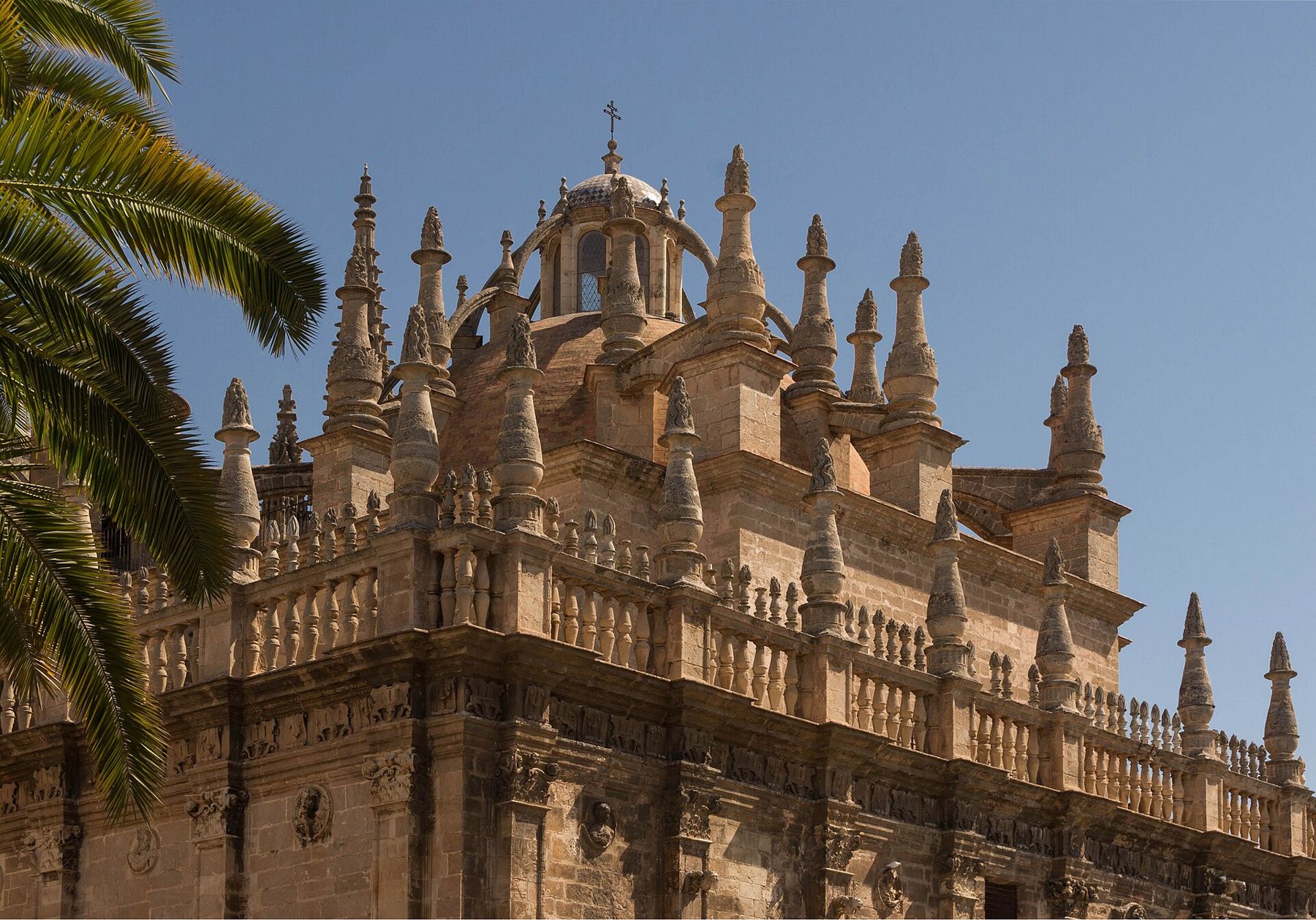
Locals have long arranged the day around the heat, and the rhythm works for visitors too. Start early. The Real Alcázar, the cathedral and the narrow lanes of the Santa Cruz quarter are best in the morning, when the light is soft and the queues are shorter. Many of the most famous sights are indoors or deeply shaded, which helps.
Use the hottest part of the afternoon for something under a roof. The cathedral's vast interior stays relatively cool; the city's museums and the covered courtyards of old palaces are good refuges. Or do what many residents do and rest. Smaller shops and some sights close for a few hours in the afternoon, so check opening times rather than assuming everything runs straight through.
The trick in May is to treat the hours from about two to five in the afternoon as indoor time
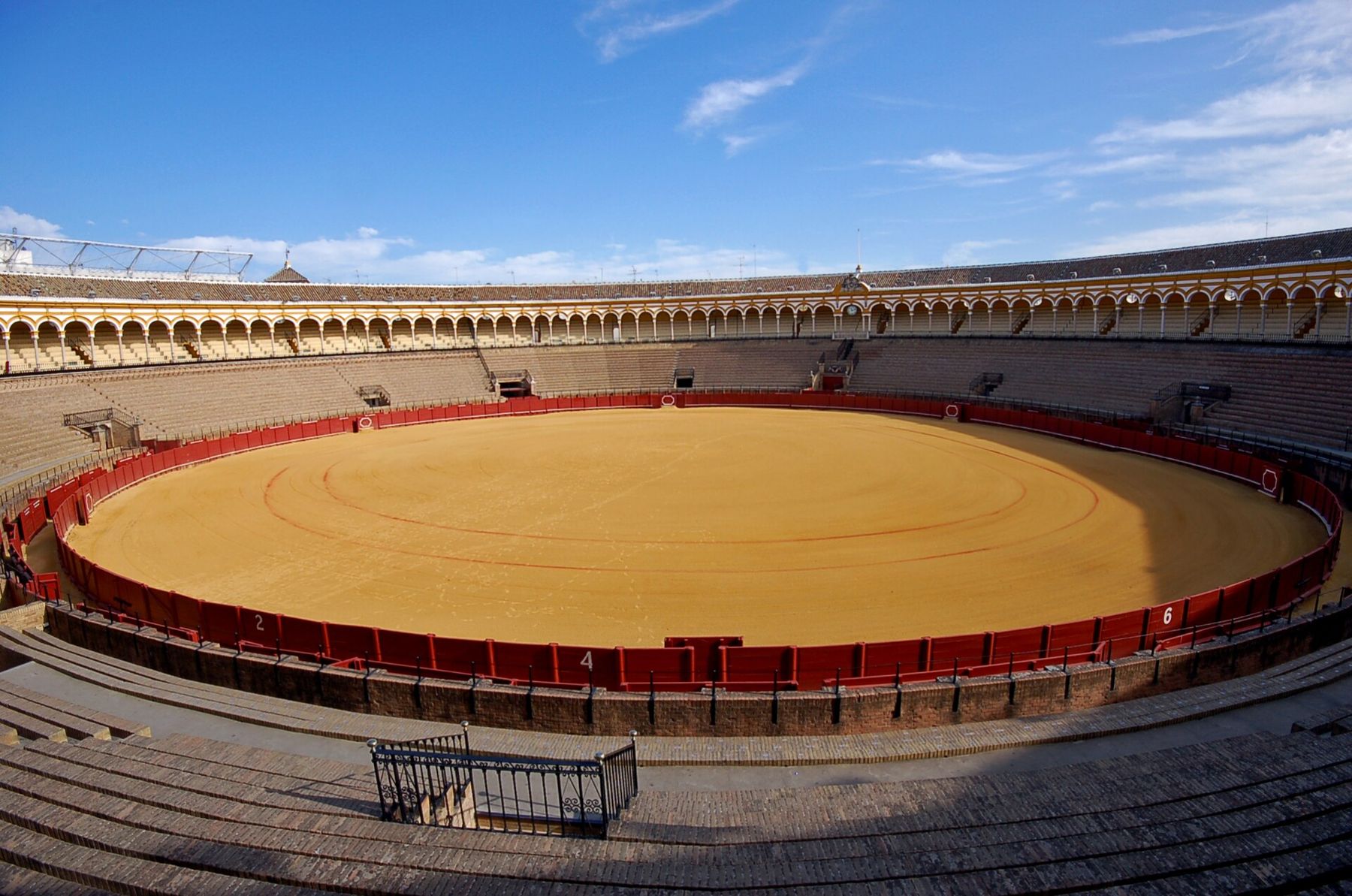
From about six onward, the city comes back to life. This is the time for the riverside, the bridges over the Guadalquivir, the Triana neighbourhood across the water, and the big open spaces such as the Plaza de España, which can be glaring in the midday sun but glows in the evening.
What can make May feel hotter
A few things push the experience toward uncomfortable. Late May is warmer than early May, and occasional heatwaves bring days in the low or mid thirties. The streets of the old town are narrow and shady, but the big squares and the walk along the river have little cover. And Seville's sun is strong even when the air is not especially hot: sunburn comes fast.
Festivals matter too. The city's famous spring fair, the Feria de Abril, usually takes place two weeks after Easter, which in some years pushes it into early May. During the fair, and around other spring celebrations such as the May crosses, streets are crowded and late nights are the norm. It is festive rather than hot, but crowds and sun together are tiring.
How to keep cool
- Carry water and refill it. Public fountains and refill points exist, though not everywhere.
- Wear a hat and light, loose clothing that covers the shoulders; cathedral visits also ask for modest dress.
- Walk on the shaded side of the street. In the old quarter, the lanes were built narrow partly for this reason.
- Book timed tickets for the Alcázar and the cathedral for the morning. Booking systems and time slots change, so check the official sites.
- Pick accommodation advice elsewhere, but a room that stays cool in the afternoon makes a real difference from late May onward.
Inside the coolest sights
Seville has an unusual number of places that were designed to stay cool. The Real Alcázar's halls have thick walls, tiled floors and shaded courtyards with water running through them, an architecture shaped by centuries of Andalusian summers. Its gardens have pools, fountains and tall hedges that make the shade feel deeper. The cathedral's stone interior holds the night's coolness well into the day. Many of the old palaces and noble houses in the centre are built around a patio, an inner courtyard with plants and a fountain, and the ones open to visitors are pleasant at any hour.
If you plan a visit to the Giralda tower, go early: the climb is by a series of ramps inside the tower rather than steps, which makes it easier, but the top platform is open to the sun.
Evenings in May
The best part of a Seville day in May is often after eight in the evening. The light lasts late, the air cools, and the streets fill with families, friends and neighbours. Bridges and riverbanks are busy with walkers, and the squares of the old town come alive. Spanish evenings start late and run later still, so it is easy to shift your day: a long morning out, a long rest, and a long evening.
Even in May, the sun in Seville is strong enough to matter at the river and on the open bridges. Sunglasses help in the glare off pale stone and whitewashed walls.
None of this is a reason to stay away. It is simply how a southern city works in late spring, and once you fall into its rhythm the heat becomes part of the character of the place.
Who should pick another month
If you struggle with heat, have a health condition that makes it risky, or can only explore in the afternoons, March, April or late October are kinder. If you want the city at its liveliest, April's festivals are hard to beat, though prices and crowds rise with them. And if your trip falls in July or August, it is still possible, but the day shrinks to early morning and late evening.
For most visitors, though, May is a sweet spot: long light evenings, orange blossom fading into jasmine, and afternoons that ask you to slow down rather than stay away. For the length of a first visit, see how many days you need in Seville, and for the best free stop in town, walking into the Plaza de España. Other places with a heat question of their own include Kyoto in August.
Next question: How many days do you need in Seville?