Kyoto › How many days
How many days in Kyoto is enough?
Three days covers the essentials without a frantic pace: the east side, Arashiyama in the west and Fushimi Inari in the south. Add a fourth for Nara, the northern temples or simply slowing down.
When that changes: In cherry-blossom and autumn-leaf weeks, crowds slow everything down and a fourth day helps; travellers with a strong interest in gardens or temples can fill a week.
Three days, if you want to see the city's best-known places at a humane pace. Kyoto has well over a thousand temples and shrines, so "enough" is a matter of choice, but three full days lets you cover the eastern hills, the western district of Arashiyama and Fushimi Inari in the south, each in a half or full day, with evenings free. Add a fourth day for Nara or the northern temples, and more if gardens and temples are your passion.
Think in areas, not lists
The secret to Kyoto is grouping. The city is spread out, buses are slow and crowded, and crossing town twice in a day wastes hours. Plan each day around one area and walk within it.
| Area | Highlights | Time |
|---|---|---|
| Higashiyama (east) | Kiyomizu-dera, Ninenzaka and Sannenzaka lanes, Yasaka Pagoda, Gion | A full day |
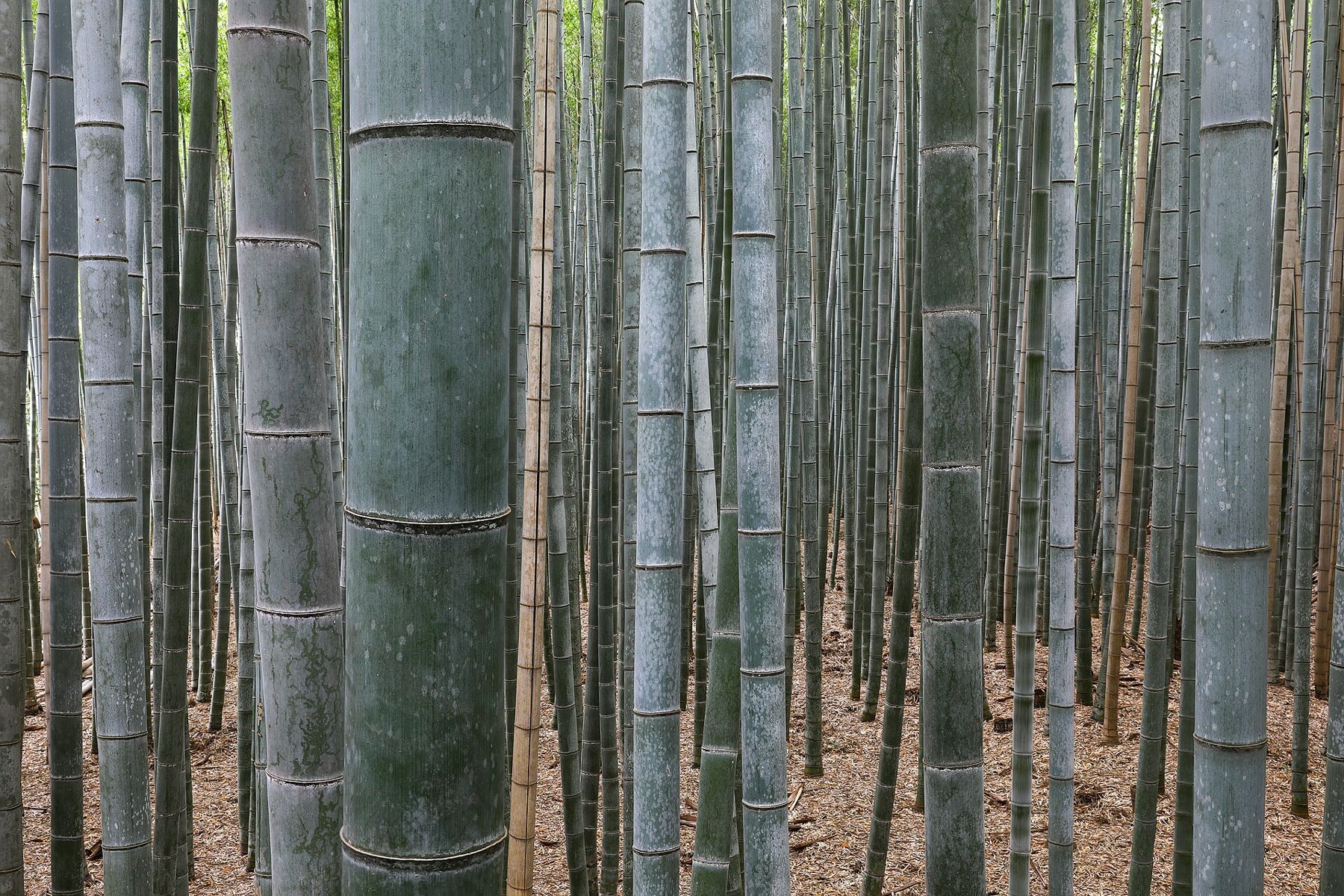
| Arashiyama (west) | Bamboo grove, Tenryu-ji garden, Togetsukyo bridge, river | Most of a day |
| Fushimi (south) | Fushimi Inari's torii paths, Tofuku-ji | Half a day |
| North and northwest | Kinkaku-ji, Ryoan-ji, Daitoku-ji | Half to a full day |
| Central | Nijo Castle, Nishiki covered market, Imperial Palace grounds | Half a day |
Three days, area by area
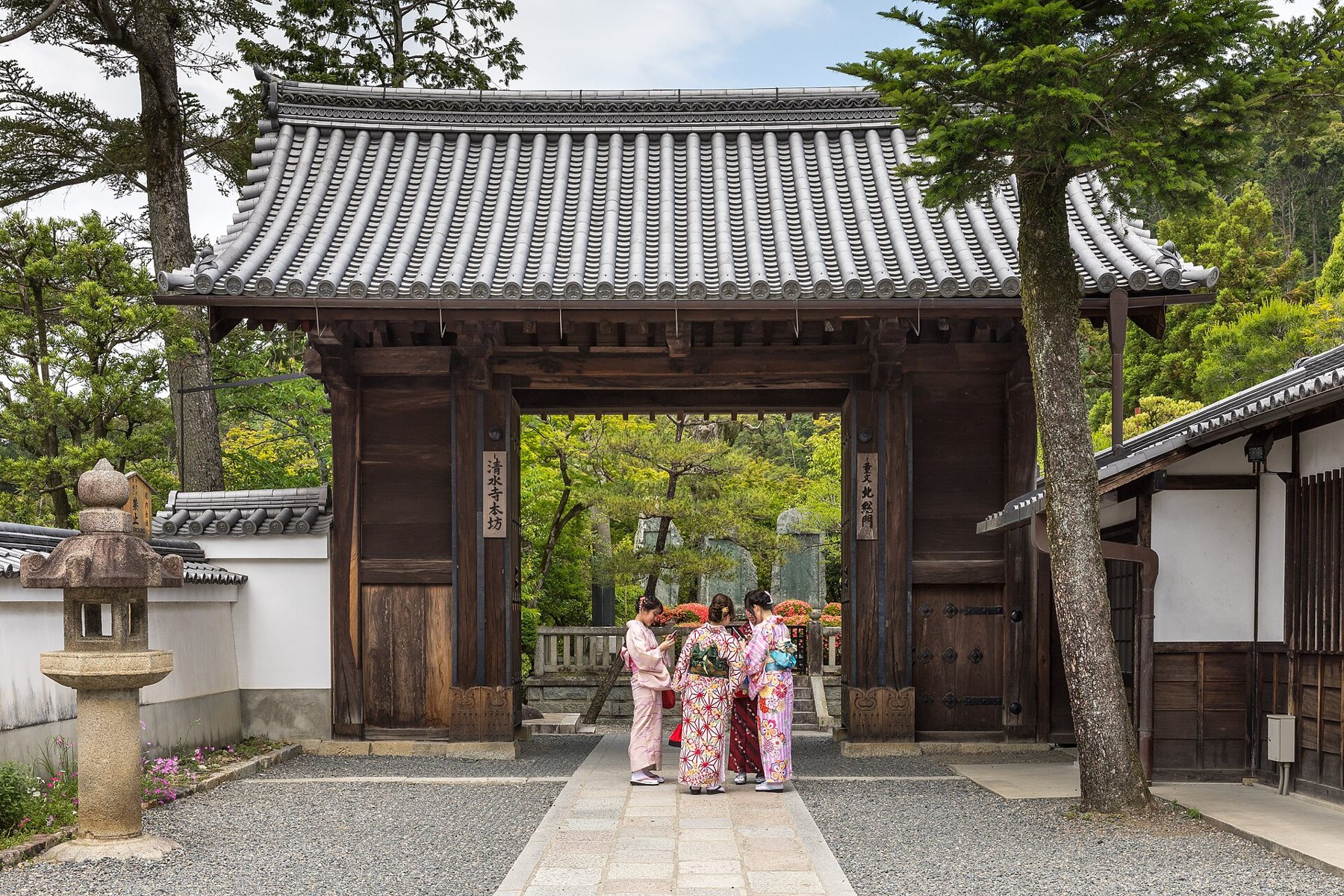
Day one, east. Start early at Kiyomizu-dera, the hillside temple with its great wooden stage, then walk down the stepped lanes of Sannenzaka and Ninenzaka past the Yasaka Pagoda toward Gion. In the afternoon, add Kodai-ji or the path to Nanzen-ji and the Philosopher's Path, depending on stamina. Spend the evening in Gion's old streets.
Day two, west. Take the train to Arashiyama early, before the bamboo grove fills. Visit Tenryu-ji's garden, walk along the Hozu River and cross the Togetsukyo bridge. The district is very busy from mid-morning, so the early start pays off.
Day three, south and centre. Begin at Fushimi Inari as early as you can, then spend the afternoon in the centre: Nijo Castle and its "nightingale" floors that squeak underfoot, or the Nishiki covered market area. Finish with an evening walk along the Kamo River.
What a fourth day adds
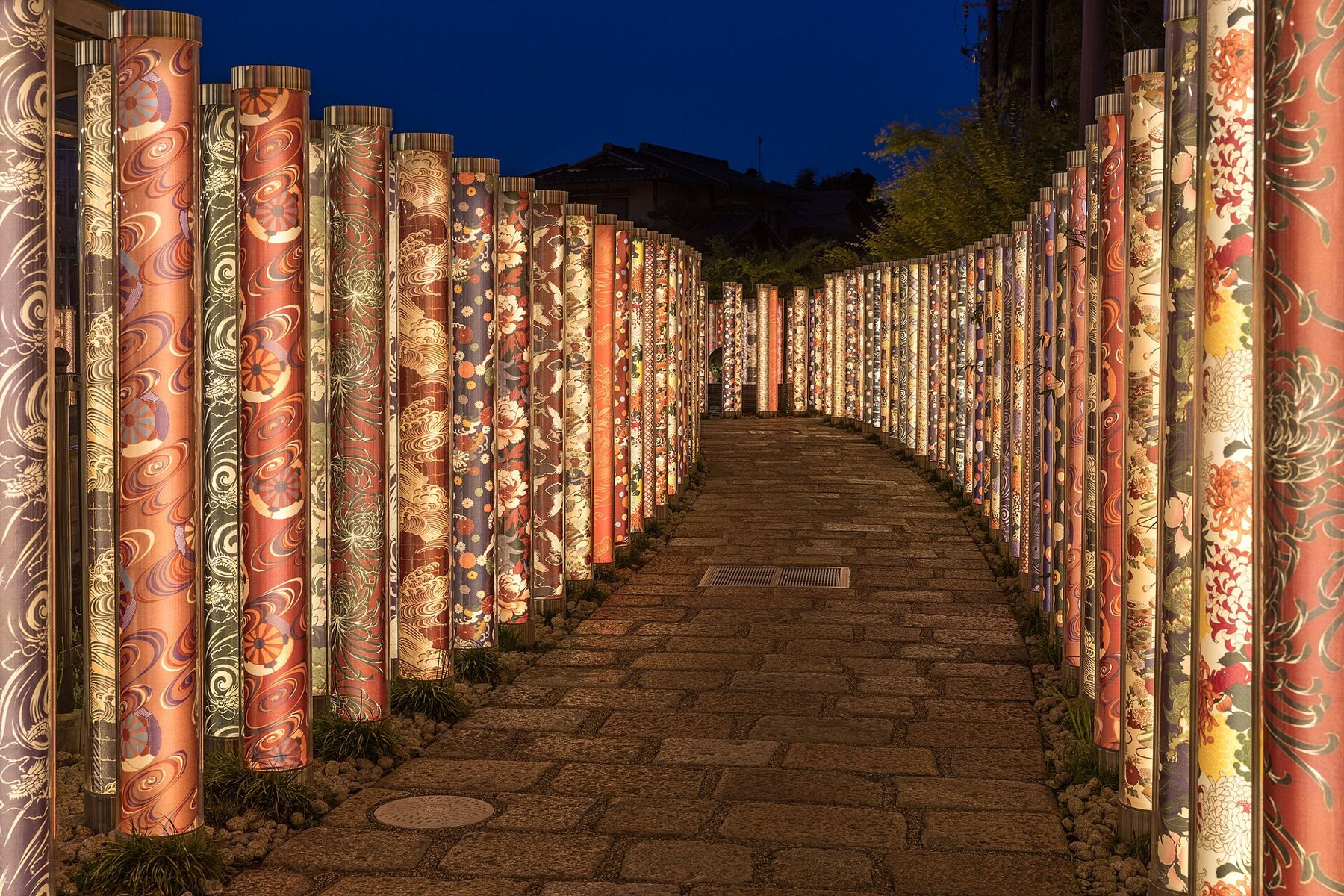
A fourth day opens several doors. Nara, Japan's first permanent capital, is under an hour away by train, with the huge bronze Buddha of Todai-ji and a park full of deer. Or stay in Kyoto and head north to Kinkaku-ji, the Golden Pavilion, and the rock garden of Ryoan-ji. Or go into the hills to Kibune and Kurama for forest walks.
A fourth day also simply makes the trip calmer. Kyoto rewards lingering: sitting in a temple garden for an hour does more than seeing three more temples.
Kyoto rewards lingering: sitting in a temple garden for an hour does more than seeing three more temples.
How to pace the days
Kyoto's temples open early and many close in the late afternoon, often around four or five. That gives a natural rhythm: big sights in the morning, smaller ones and gardens after lunch, and evenings for walking, eating and the illuminated lanes of Gion and Pontocho. Check the hours of each temple before you go, since they vary and some places close on certain days or for events.
Most sights charge a modest entry fee, often paid in cash at the gate. Keep some coins and small notes, even though card payment is spreading.
Where to stay for short visits
For a three-day trip, staying near a station or a subway line saves a surprising amount of time, because it lets you start each day's area early. Central areas around the downtown shopping streets or near Kyoto Station both work. This guide does not recommend particular places to stay; what matters is short journeys to the morning trains.
Day trips that tempt
Beyond Nara, Kyoto is within easy reach of Osaka, Himeji Castle and Lake Biwa. Each is worth a day, but each one taken from a three-day Kyoto stay leaves the city itself rushed. If a day trip matters to you, add a day rather than cutting one of Kyoto's areas.
When two days will do
Two days is possible if you are on a tight schedule. Choose Higashiyama for one day and Arashiyama or Fushimi Inari for the other, and accept that you will be skimming. One day in Kyoto is a taster: pick one area and stay in it.
Moving between sights
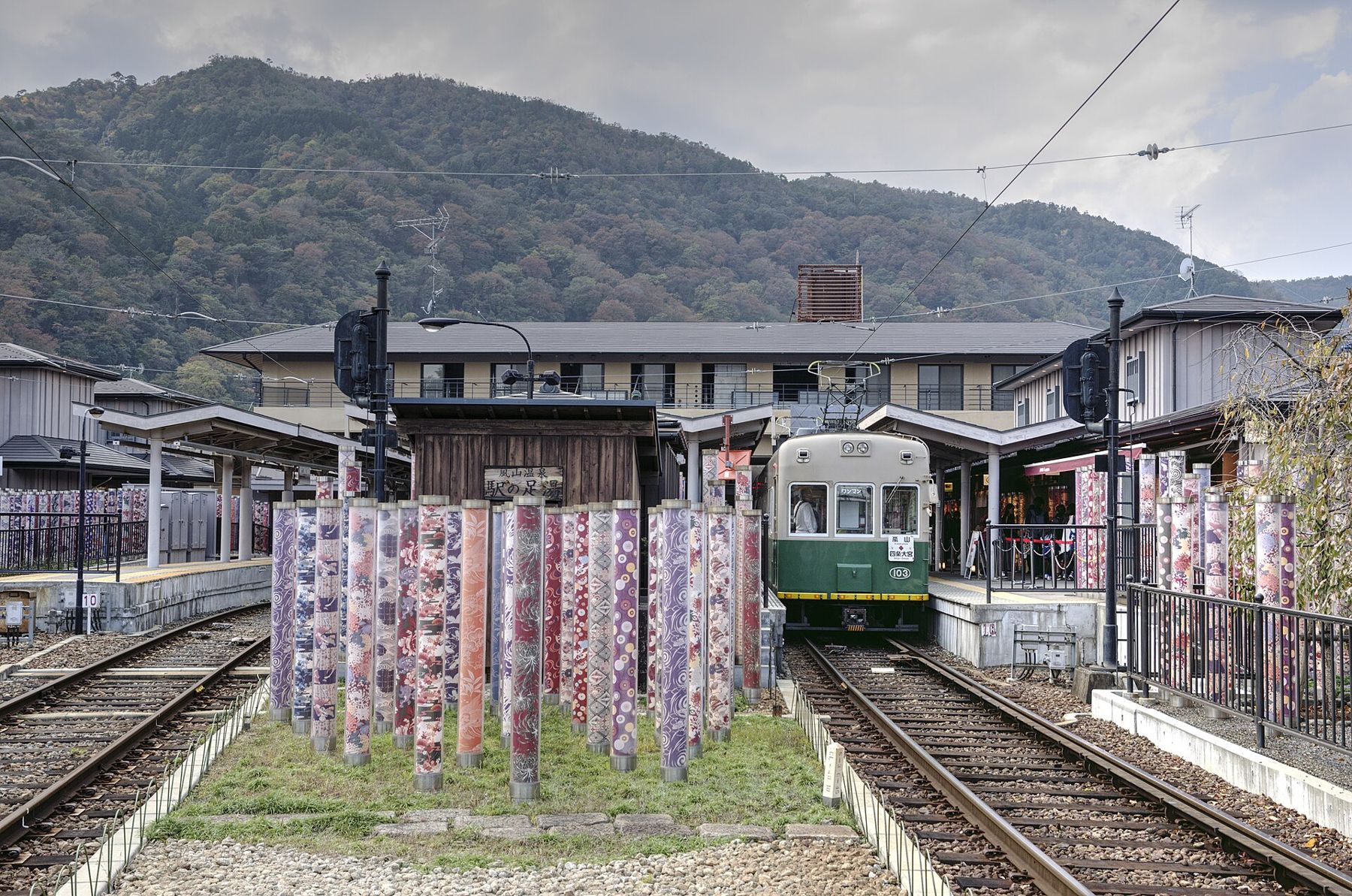
Kyoto's subway has two lines; private railways and JR lines reach Arashiyama, Fushimi and Nara. City buses go everywhere but crawl in traffic and are packed in high season. Walking and trains are often faster. Rechargeable transport cards work on most trains and buses, and fares and passes change, so check current options.
Taxis are plentiful and useful for short hops between sights in the same area, especially in the heat or rain, or late in the day when tired legs matter more than fares.
Walking between neighbouring sights is often the best part of a Kyoto day, through lanes of wooden houses, small shrines and canals that no bus route would show you.
Seasons change the answer
In late March to early April and in November, when the cherry blossom and autumn leaves draw enormous crowds, everything takes longer, and an extra day helps. In summer, the heat shortens the useful part of the day: see whether Kyoto is worth it in August. And whenever you go, read what time to get to Fushimi Inari before you set the alarm. Comparing cities for a short break? The same question for Seville is answered in how many days you need in Seville.
Next question: Is Lisbon too hilly to walk?