Lisbon › Weather answers
Is Lisbon worth visiting in the rain?
Yes. Lisbon's rain usually comes in bursts between bright spells, the winters are mild, and the city has superb museums and great buildings to duck into. Just mind the slippery pavements.
When that changes: Several days of steady Atlantic storms, which happen some winters, wash out the viewpoints and the coast; if views and beaches are the point of the trip, choose spring.
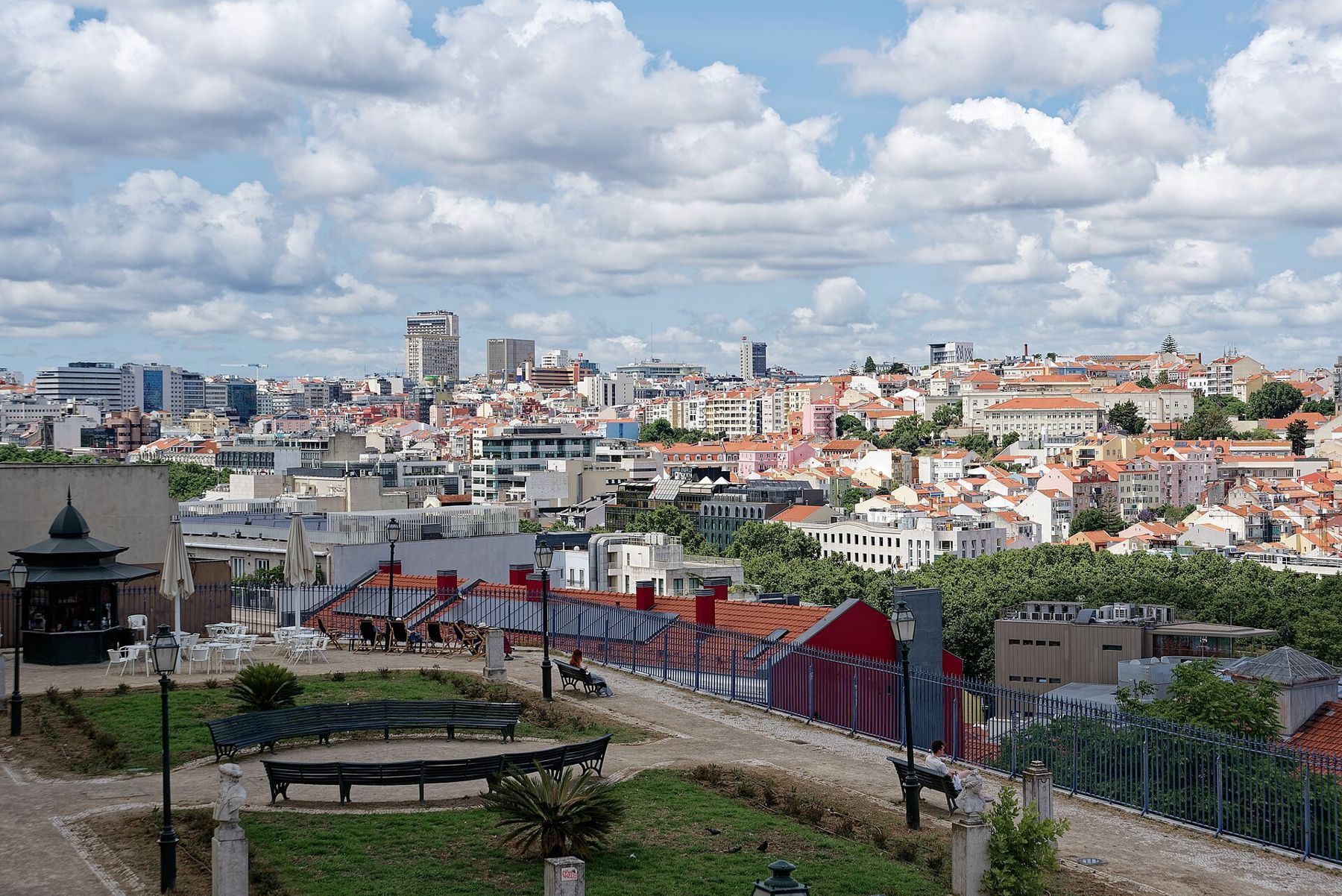
Yes. Rain in Lisbon is mostly a winter affair, from about November to February, and it usually arrives in bursts between sunny spells rather than as days of unbroken grey. Temperatures stay mild, often in the mid teens Celsius by day (around 15 °C, or 59 °F). And the city has more than enough indoors to fill a wet day: one of Europe's great art collections, a museum devoted to painted tiles, a riverside monastery and covered markets. The one real hazard is underfoot.
The rainy months
Lisbon has a Mediterranean climate shaped by the Atlantic. Summers are dry and sunny; almost all the year's rain falls between October and April, with the wettest months usually in late autumn and winter. Even then, there are often bright mornings or afternoons between fronts. Storms coming in off the ocean can bring strong wind and heavy rain for a day or two, and a few winters bring longer wet spells.
Weather forecasts for the coming days are worth checking each morning, because the difference between a showery day and a stormy one changes what you should plan.
Mind the calçada
Lisbon's pavements are made of small polished stones, laid in patterns that are among the city's glories. Wet, they are as slippery as ice in places, especially on slopes. Wear shoes with proper grip, take steep streets slowly, and use handrails where they exist. This is the most important practical advice for a rainy day in Lisbon, and it is not an exaggeration.
The hills add to it. On a wet day, ride up the steep streets by tram, funicular or taxi, and save walking for the flatter Baixa and the riverside.
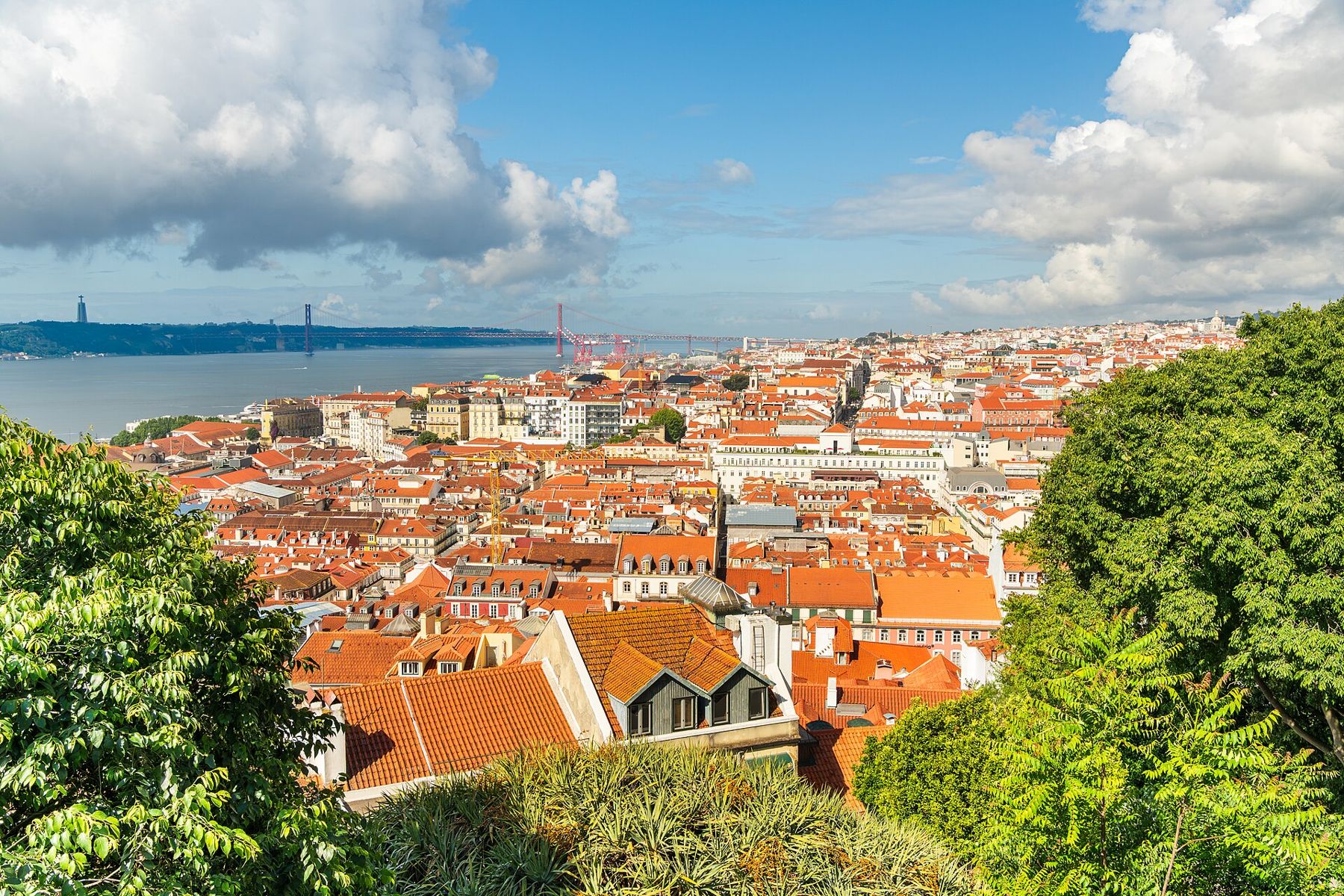
Museums worth the whole day
The Calouste Gulbenkian Museum holds a wide private collection, from ancient Egypt and the Islamic world to European painting and decorative arts, in a modern building set in gardens. Its companion modern collection is next door. It is easy to spend half a day here, and the setting is calm even when the city is busy.
The National Tile Museum, in a former convent east of the centre, tells the story of the azulejo, the painted ceramic tile that covers so many of Lisbon's walls. Its long panoramic tile view of the city before the 1755 earthquake is a highlight, and the convent church inside is a gilded surprise.
Along the river, the museums of Belém and the riverside cultural centres offer more choices, from modern art to the maritime past.
Belém between showers
Belém, west of the centre, is where Portugal's age of sea voyages is most visible. The Jerónimos Monastery, a masterpiece of the elaborate Manueline style, has a cloister that is sheltered from rain and spectacular in any light. The nearby Belém Tower stands at the water's edge. The riverside here is open and windy, so time your walk between showers, and spend the wettest hour inside the monastery or a museum.
Markets, trams and cafés
Lisbon's covered market halls are good refuges, full of produce, fish, flowers and food counters. Small traditional cafés and pastry shops are everywhere; a coffee and a custard tart is a classic Lisbon pause, wet or dry. The city's trams are also a pleasant way to see the streets from under a roof, though the most famous route is crowded in any weather.
Rain can be atmospheric here. The light after a shower, with wet stone shining and the river silvery under breaking cloud, is part of the city's winter character.
Churches and palaces as shelter
Lisbon's churches are another good use of a wet hour. The cathedral, the Sé, is a fortress-like Romanesque building on the slope below the castle, begun in the twelfth century. São Roque, near the top of the Glória funicular, looks plain from outside and hides one of the richest chapel interiors in Europe, glittering with gilded wood, marble and mosaic. The church of São Vicente de Fora, near Alfama, has cloisters lined with tile panels. Respect services and dress codes, and check visiting hours.
Further out, the National Coach Museum in Belém holds an extraordinary collection of royal and ceremonial carriages, a surprising favourite with visitors of all ages and entirely under a roof.
The river and the light
Even in a wet week, there are usually breaks in the cloud. Keep an eye on the sky and be ready to switch plans: when the sun comes out, head for a viewpoint or the riverside, and when the next band of rain arrives, step back inside. Lisbon is compact enough to make this easy. The ferries across the Tagus run in all but the worst weather and give a fine view back at the city from the water, from a covered deck.
A sample wet day
- Morning: the Gulbenkian, reached by metro.
- Midday: a covered market for lunch and shelter.
- Afternoon: the Tile Museum, or Belém's monastery if the sky clears.
- Evening: a viewpoint if the rain stops, or a fado performance, which Lisbon's evenings were made for.
Opening hours and closing days vary, with many museums closed on Mondays, so check before you go.
When the rain is a real problem
If your trip is mainly about beaches, viewpoints and long walks, persistent rain will spoil it, and spring or autumn are better bets. Day trips to the hills of Sintra in the rain can be misty and muddy, though moody and beautiful too: see Sintra or Cascais for the choice. For the hills of the city itself, read whether Lisbon is too hilly to walk. Other winter questions are answered in Dubrovnik in winter.
Next question: Can you see the northern lights from Reykjavík?